How Long Do Different Roofing Materials Actually Last?
Roofing materials vary widely in lifespan. Here's how long asphalt, metal, tile, and slate actually last, and what affects their longevity.
Why Roofing Lifespan Varies So Much
Not all roofing materials age the same way.
Some last two decades. Others can outlive the homeowner who installed them.
Understanding real-world lifespan expectations helps you weigh upfront cost against long-term value more accurately.
Asphalt Shingle Lifespan
Asphalt shingles are the most common roofing material in the United States, largely due to their affordability.
Standard three-tab shingles typically last 20 to 25 years.
Architectural shingles, a thicker and more durable variety, often reach 25 to 30 years under normal conditions.
Climate, ventilation, and installation quality all affect where a specific roof falls within that range. The Roof Replacement Cost Calculator can help you estimate costs if you're planning ahead for a future replacement.
Metal Roofing Lifespan
Metal roofing significantly outlasts asphalt in most cases.
Depending on the specific metal type and coating, metal roofs commonly last 40 to 70 years.
Some standing seam steel or aluminum roofs, when properly maintained, can exceed 70 years of service.
This extended lifespan is a major reason homeowners planning to stay long-term often choose metal despite its higher upfront cost.
Tile Roofing Lifespan
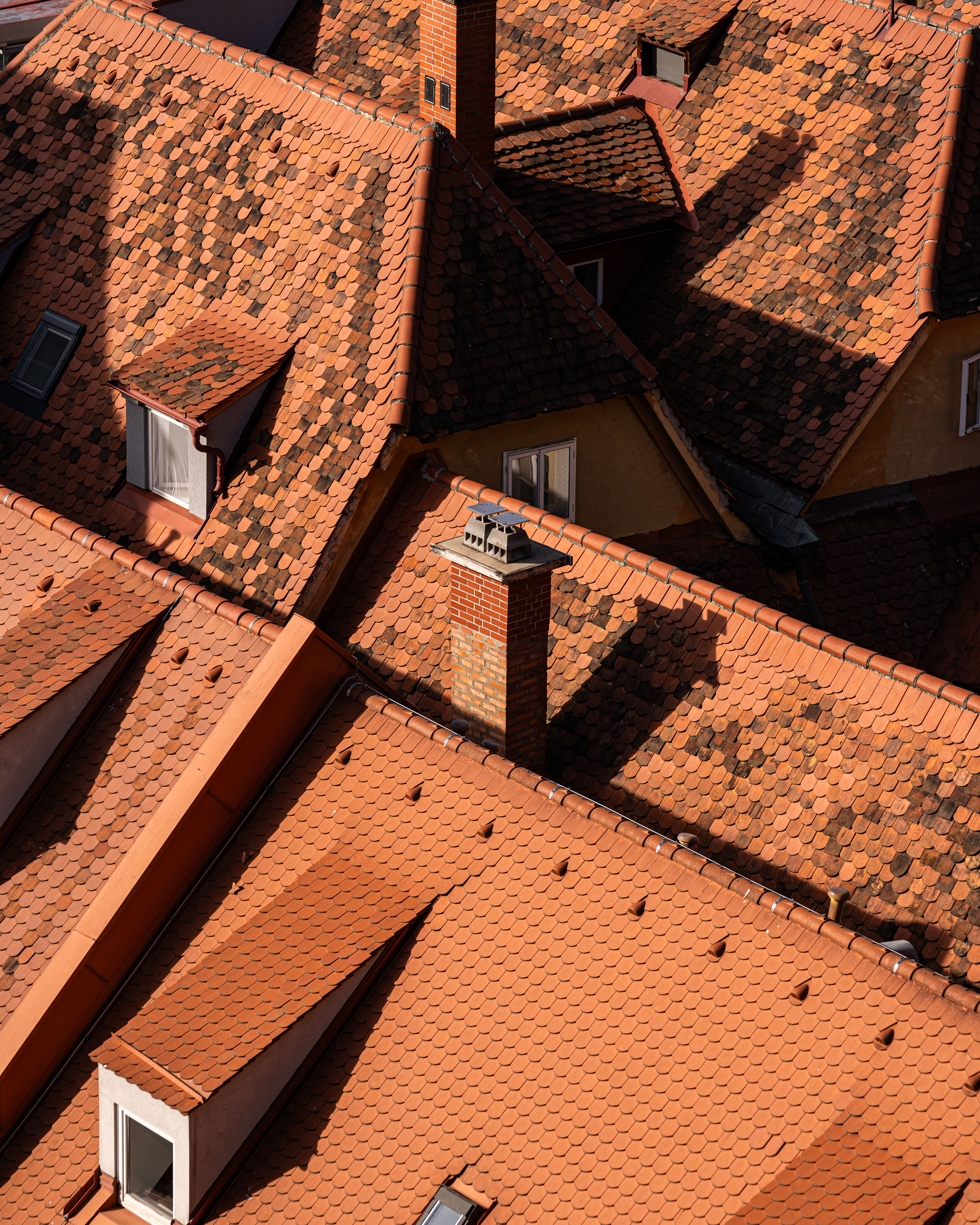
Clay and concrete tile roofing is known for exceptional durability.
Concrete tile typically lasts 50 years or more.
Clay tile can last even longer, with some installations remaining functional for 75 years or beyond when properly maintained.
The tiles themselves often outlast the underlayment beneath them, meaning the underlayment may need replacement before the tiles do.
Slate Roofing Lifespan
Slate offers the longest lifespan of any common roofing material.
Many slate roofs last 75 to 100 years, and some documented installations have exceeded 150 years.
This exceptional longevity is part of why slate remains popular for historic restoration projects, despite its high upfront cost.
Wood Shake Roofing Lifespan
Wood shake roofing offers a distinct look but shorter lifespan than most alternatives.
Typical wood shake roofs last 20 to 30 years, depending on climate and maintenance.
Regular treatment against moisture and pests is necessary to reach the higher end of that range.
What Affects Actual Roof Lifespan
Material type sets a baseline, but several other factors determine how close a roof gets to its maximum expected lifespan.
- Quality of the original installation
- Local climate and weather exposure
- Attic ventilation and insulation
- Frequency of inspections and maintenance
- Whether repairs are addressed promptly
A well-installed and well-maintained roof often reaches the upper end of its material's expected range. A neglected one may fall well short.
Comparing Lifespan at a Glance
Asphalt shingles typically last 20 to 30 years, offering the lowest upfront cost among common materials.
Metal roofing generally lasts 40 to 70 years, with a notably higher initial investment.
Tile roofing commonly lasts 50 to 75-plus years, depending on whether it's concrete or clay.
Slate roofing can last 75 to 100-plus years, representing the longest lifespan but also the highest cost.
Should Lifespan Be Your Main Factor?
Lifespan matters, but it shouldn't be the only consideration.
A homeowner planning to sell within five years may prioritize upfront cost over a 50-year lifespan. Someone planning to stay for decades may find the math favors a longer-lasting material instead.
Comparing your expected time in the home against material cost and lifespan helps clarify the right decision. If you're also weighing financing options for a pricier, longer-lasting material, the Roof Financing Calculator can help you compare monthly payment scenarios.
Final Thoughts
Roofing material lifespan varies dramatically, from roughly 20 years for basic asphalt shingles to over a century for well-maintained slate.
The right choice depends on your budget, how long you plan to stay in your home, and how much long-term value you're looking to get from the investment.
Getting a professional roof inspection can also help you understand where your current roof stands within its expected lifespan.
Frequently Asked Questions
What roofing material lasts the longest?
Slate roofing generally lasts the longest, often 75 to 100 years or more, followed closely by clay tile.
How long do asphalt shingles typically last?
Standard asphalt shingles typically last 20 to 25 years, while architectural shingles can reach 25 to 30 years under normal conditions.
Does metal roofing really last twice as long as asphalt?
Yes, in most cases. Metal roofing commonly lasts 40 to 70 years, roughly double the lifespan of standard asphalt shingles.
Can proper maintenance extend a roof's lifespan?
Yes. Regular inspections, prompt repairs, and good attic ventilation can help a roof reach or exceed the upper end of its material's expected lifespan.
Does a longer lifespan always mean better value?
Not necessarily. A longer-lasting material may cost more upfront, so the better value depends on how long you plan to stay in the home and your available budget.
Disclaimer: This article is for informational purposes only and does not constitute professional roofing or engineering advice. Actual lifespan varies based on installation quality, climate, and maintenance history. Always consult a licensed roofing contractor for an assessment specific to your roof.
---
Related resources
- Roof Replacement Cost CalculatorEstimate full roof replacement by state and material.
- Roof Repair Cost CalculatorPrice minor, moderate, and major repairs.
- Roof Financing CalculatorMonthly payments and total interest.
- Roof Claim EstimatorInsurance payout ranges by damage severity.
- State Roofing GuidesLocalized pricing and permitting.
- Research HubOriginal roofing reports and data.
Related articles
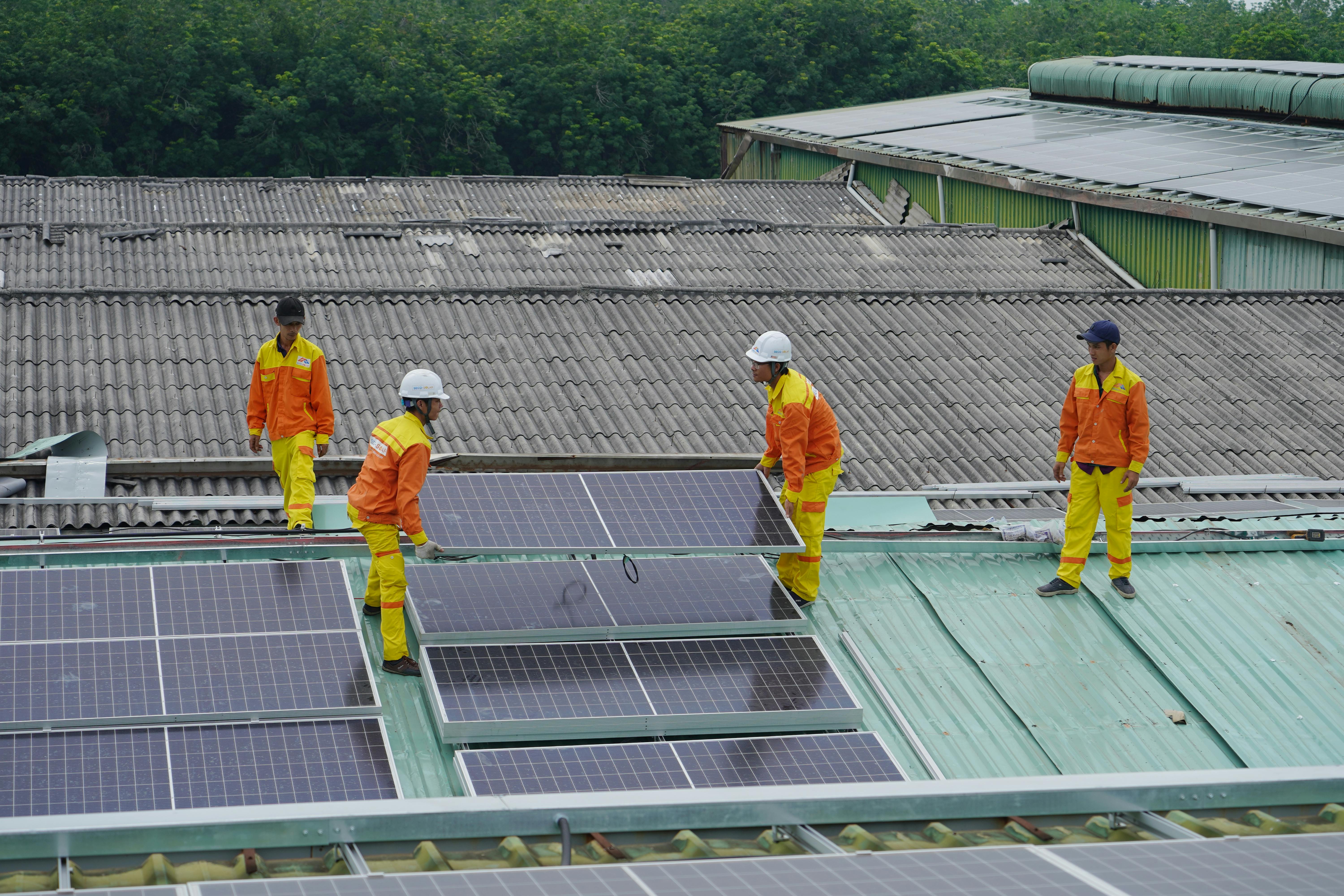
Solar Roof Panels vs. Traditional Roofing: Cost and ROI Compared
Solar roofing offers energy savings but carries a much higher upfront cost. Here's how it compares to traditional roofing on cost and long-term return.
Read article
GAF vs. Owens Corning vs. CertainTeed: Which Shingle Brand Is Right for You? (2026)
GAF, Owens Corning, and CertainTeed make roughly 80% of U.S. asphalt shingles. Here's how their flagship products, warranties, and pricing compare.
Read article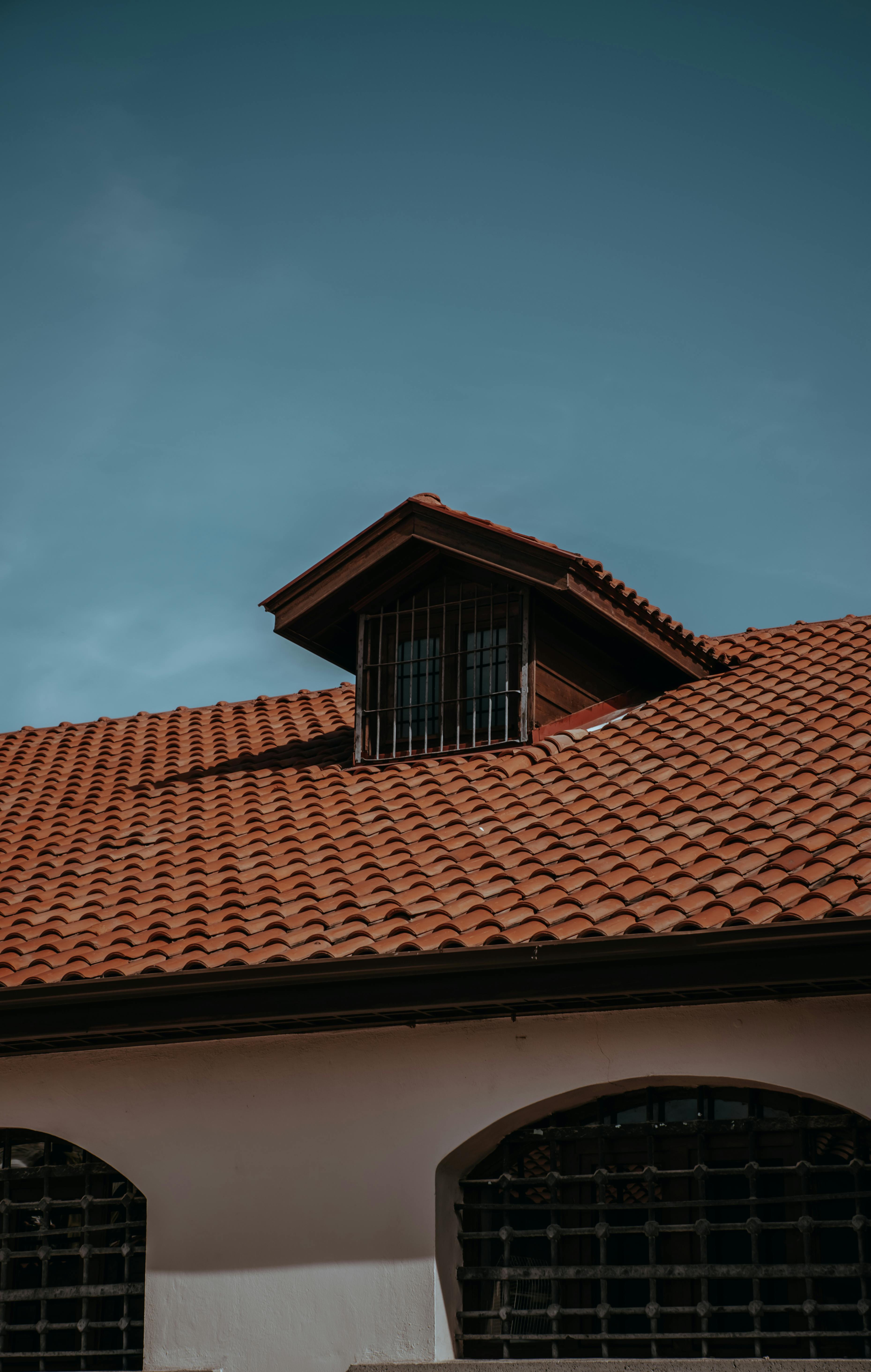
Best Roofing Materials for Hot Climates: Heat and UV Resistance Guide
Hot climates put extra stress on roofing materials. Here's how asphalt, metal, tile, and other options hold up against sun, heat, and UV exposure.
Read article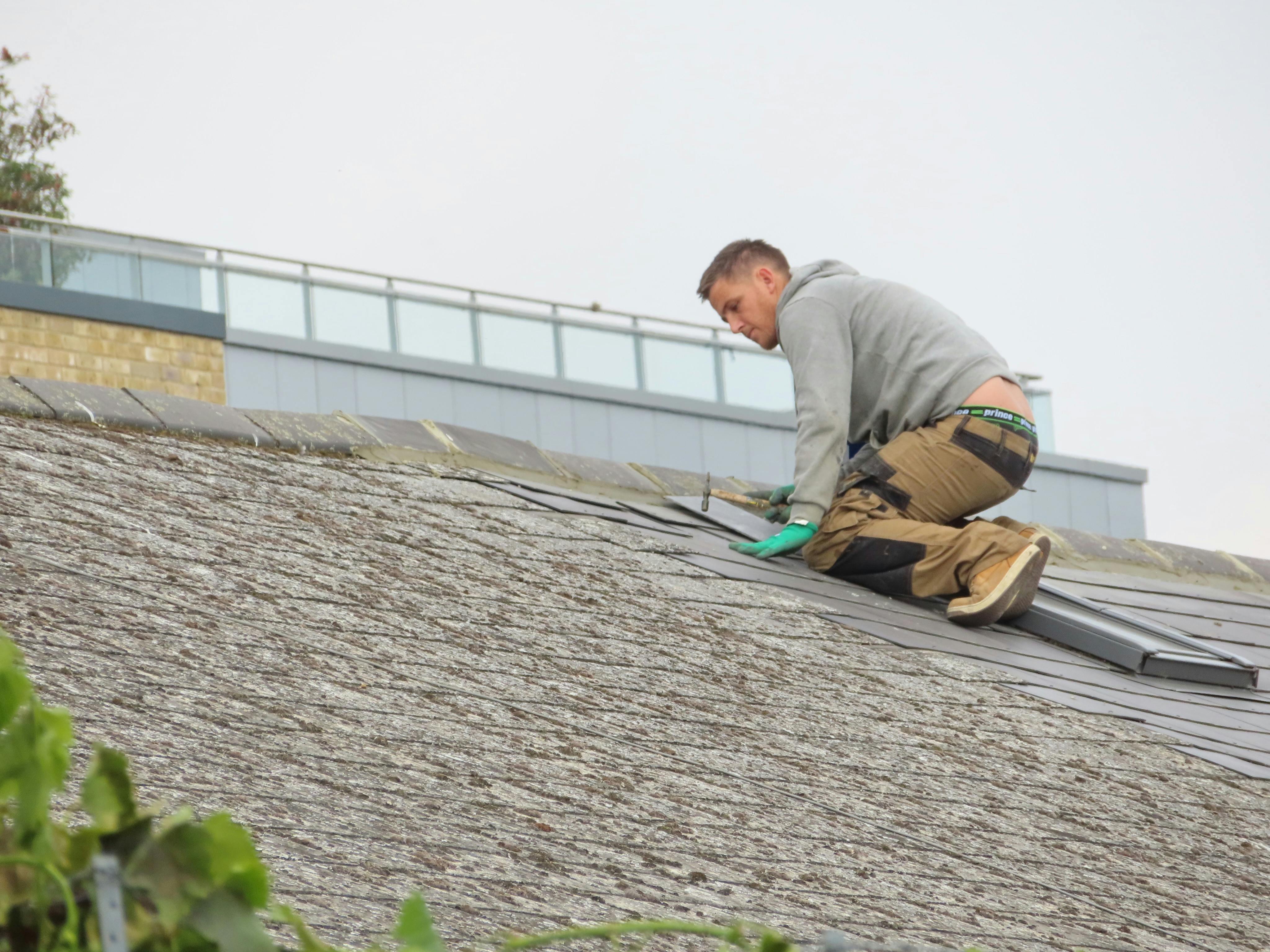
Metal Roof vs. Asphalt Shingles: Which Is Right for Your Home in 2026?
Choosing between metal and asphalt roofing? Here's a clear, side-by-side comparison of cost, lifespan, durability, and energy efficiency.
Read article
Roof Replacement Cost by Material: Asphalt, Metal, Tile, and Slate Compared (2026 Guide)
Roofing material choice dramatically affects your total cost. Here's a clear cost breakdown for asphalt, metal, tile, and slate roofs in 2026.
Read articleExplore more roofing resources
Related Calculators
- HOA Roof Approval Cost Calculator · Roof Cost Calculators
- Standing Seam Metal Roof Calculator · Roof Cost Calculators
- Roof Snow Removal Cost Calculator · Roof Cost Calculators
- Gutter Repair Cost Calculator · Roof Cost Calculators
Related State Guides
- Arizona Roofing Costs · Tile Roofing · West
- California Roofing Costs · Tile Roofing · West
- Colorado Roofing Costs · Asphalt Shingles · West
- Florida Roofing Costs · Tile Roofing · South