Metal Roof vs. Asphalt Shingles: Which Is Right for Your Home in 2026?
Choosing between metal and asphalt roofing? Here's a clear, side-by-side comparison of cost, lifespan, durability, and energy efficiency.
Metal Roof vs. Asphalt Shingles: How to Choose
Metal roofing and asphalt shingles are two of the most popular choices for homeowners planning a roof replacement, but they serve very different priorities. Asphalt remains the budget-friendly standard, while metal has grown steadily in popularity for its durability and energy performance.
This guide compares both materials directly across the factors that matter most: cost, lifespan, durability, and energy efficiency.
Upfront Cost Comparison
Cost is often the first deciding factor for homeowners, and the gap between these two materials is significant.
- Asphalt shingles typically have the lower upfront material and installation cost
- Metal roofing generally costs two to three times more than asphalt for the same roof size
- Installation labor for metal often takes longer, adding to overall project cost
Homeowners comparing both options can use the Roof Replacement Cost Calculator to see estimated pricing based on their specific roof size and material choice.
Lifespan and Long-Term Value
While asphalt costs less upfront, metal roofing tends to close that gap over time.
- Asphalt shingles typically last 20 to 25 years, with architectural shingles reaching up to 30 years
- Metal roofing commonly lasts 40 to 70 years depending on the specific type and coating
- Metal roofs generally require one installation over a homeowner's lifetime, while asphalt may need replacing twice
For homeowners planning to stay in their home long-term, this longer lifespan is often the deciding factor in favor of metal.
Durability and Weather Resistance
Both materials perform differently depending on regional weather patterns.
- Asphalt shingles can crack, curl, or lose granules under prolonged UV exposure and temperature swings
- Metal roofing resists cracking and is highly resistant to wind, hail, and fire
- Metal is often the preferred choice in wildfire-prone regions and areas with severe storm activity
- Asphalt remains a reliable, well-tested option in moderate climates across most of the country
Energy Efficiency Differences
Metal roofing has a distinct advantage when it comes to energy performance.
- Metal reflects more solar heat than asphalt, which can reduce cooling costs in warmer climates
- Some metal roofing products qualify for energy efficiency tax credits or utility rebates
- Asphalt shingles absorb more heat, which can increase attic temperatures during summer months
Homeowners in hotter regions often see the most noticeable energy savings after switching to metal roofing.
Maintenance and Repair Considerations
Ongoing maintenance needs differ between the two materials as well.
- Asphalt shingles are simpler and generally less expensive to repair when individual shingles are damaged
- Metal roofing requires less frequent maintenance overall but can be more costly to repair if panels are damaged
- Both materials benefit from regular inspections, particularly after severe storms
Homeowners noticing early signs of wear on either material may want to use the Roof Inspection Cost Calculator to understand what a professional assessment typically costs.
Noise and Aesthetic Differences
Some homeowners also weigh how each material sounds and looks.
- Metal roofing can be noisier during heavy rain, though proper insulation and underlayment significantly reduce this
- Asphalt shingles offer a wider range of colors and styles that closely mimic traditional roofing looks
- Metal roofing has become available in styles that mimic shingles or standing seam looks, broadening its aesthetic appeal
Which Option Fits Your Situation?
The right choice often depends less on which material is objectively "better" and more on your specific priorities.
- Choose asphalt if you want the lowest upfront cost and plan to move within the next 10 to 15 years
- Choose metal if you're planning to stay long-term, live in a severe weather or wildfire-prone area, or want lower long-term energy costs
- Consider your climate since metal performs especially well in hot, sunny, or storm-prone regions
Frequently Asked Questions
Is metal roofing more expensive than asphalt shingles?
Yes, metal roofing typically costs two to three times more upfront than asphalt shingles, though its longer lifespan can make it more cost-effective over time.
Does a metal roof last longer than asphalt shingles?
Yes, metal roofing generally lasts 40 to 70 years, compared to 20 to 25 years for standard asphalt shingles.
Is a metal roof noisier than an asphalt roof during rain?
Metal roofs can be slightly noisier, but proper insulation and solid decking significantly reduce noise, making the difference minimal for most homeowners.
Which roofing material is better for hot climates?
Metal roofing generally performs better in hot climates due to its reflective properties, which can help reduce cooling costs.
Can I install metal roofing over existing asphalt shingles?
In some cases yes, but this depends on local building codes and the condition of the existing roof. A licensed contractor can confirm whether this is an option for your home.
Final Thoughts
Both metal and asphalt roofing are reliable choices, but they serve different priorities. Asphalt offers a lower upfront cost and proven performance for most climates, while metal delivers a longer lifespan, better energy efficiency, and stronger durability in severe weather. Comparing your budget, climate, and how long you plan to stay in your home will help determine which material makes the most sense for your roof replacement.
Disclaimer: This article is for informational purposes only and does not constitute professional roofing or engineering advice. Costs, lifespan, and performance vary based on regional climate, installation quality, and product specifications. Always consult a licensed roofing contractor for guidance specific to your home.
Related resources
- Roof Replacement Cost CalculatorEstimate full roof replacement by state and material.
- Roof Repair Cost CalculatorPrice minor, moderate, and major repairs.
- Roof Financing CalculatorMonthly payments and total interest.
- Roof Claim EstimatorInsurance payout ranges by damage severity.
- State Roofing GuidesLocalized pricing and permitting.
- Research HubOriginal roofing reports and data.
Related articles
Solar Roof Panels vs. Traditional Roofing: Cost and ROI Compared
Solar roofing offers energy savings but carries a much higher upfront cost. Here's how it compares to traditional roofing on cost and long-term return.
Read article
GAF vs. Owens Corning vs. CertainTeed: Which Shingle Brand Is Right for You? (2026)
GAF, Owens Corning, and CertainTeed make roughly 80% of U.S. asphalt shingles. Here's how their flagship products, warranties, and pricing compare.
Read article
How Long Do Different Roofing Materials Actually Last?
Roofing materials vary widely in lifespan. Here's how long asphalt, metal, tile, and slate actually last, and what affects their longevity.
Read article
Best Roofing Materials for Hot Climates: Heat and UV Resistance Guide
Hot climates put extra stress on roofing materials. Here's how asphalt, metal, tile, and other options hold up against sun, heat, and UV exposure.
Read article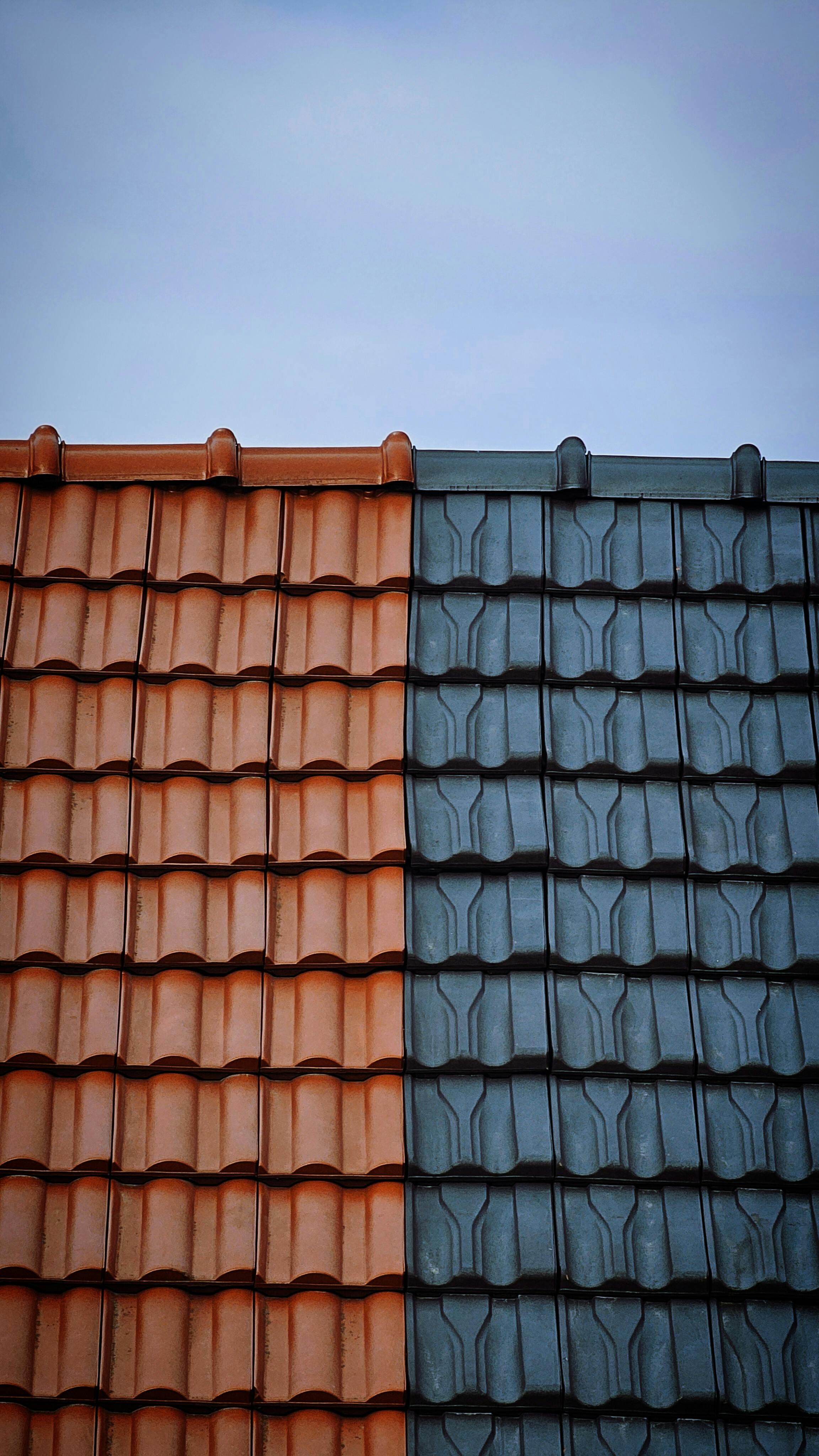
Roof Replacement Cost by Material: Asphalt, Metal, Tile, and Slate Compared (2026 Guide)
Roofing material choice dramatically affects your total cost. Here's a clear cost breakdown for asphalt, metal, tile, and slate roofs in 2026.
Read articleExplore more roofing resources
Related Calculators
- Roofing Job Bid Calculator · Contractor Calculators
- Roof Truss Cost Calculator · Roof Cost Calculators
- Solar Panel Roof Readiness Calculator · Roof Cost Calculators
- Wind Damage Roof Repair Cost Calculator · Insurance Calculators
Related State Guides
- Arizona Roofing Costs · Tile Roofing · West
- California Roofing Costs · Tile Roofing · West
- Colorado Roofing Costs · Asphalt Shingles · West
- Florida Roofing Costs · Tile Roofing · South