Roof Replacement Cost by Material: Asphalt, Metal, Tile, and Slate Compared (2026 Guide)
Roofing material choice dramatically affects your total cost. Here's a clear cost breakdown for asphalt, metal, tile, and slate roofs in 2026.
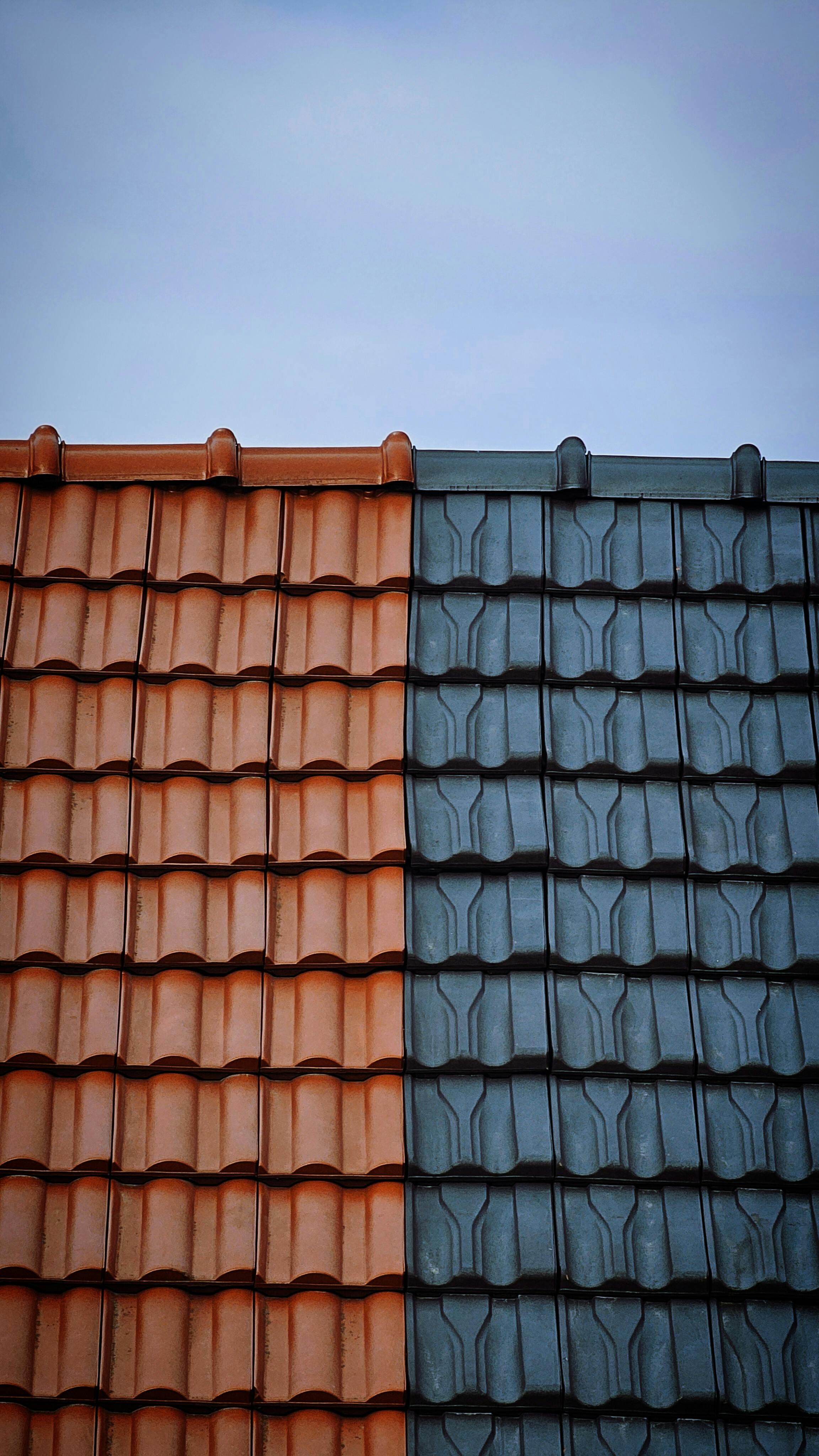
Roof Replacement Cost by Material: What Homeowners Should Know
The material you choose for a roof replacement is one of the biggest factors in your total project cost, often more significant than roof size or labor rates in your area. Some materials cost far more upfront but last two or three times longer, which changes the math over the life of your home.
This guide breaks down what homeowners can expect to pay for each major roofing material in 2026, along with the tradeoffs that come with each option.
Why Material Choice Affects Cost So Much
Roofing materials vary widely in manufacturing cost, weight, installation complexity, and lifespan. A heavier material like slate requires additional structural support and specialized installation skills, which adds labor cost on top of the material price itself. Lighter materials like asphalt shingles are faster and less expensive to install, which keeps overall costs lower.
Asphalt Shingles: The Most Common and Affordable Option
Asphalt shingles remain the most widely used roofing material in the United States, largely because they balance affordability, availability, and reasonable lifespan.
What to expect:
- Lowest upfront cost among common roofing materials
- Installation typically completed in one to three days
- Lifespan of 20 to 25 years for standard three-tab shingles, up to 30 years for architectural shingles
- Wide availability of contractors experienced with this material
Asphalt is often the default choice for homeowners prioritizing budget and faster installation timelines over maximum longevity.
Metal Roofing: Higher Upfront Cost, Longer Lifespan
Metal roofing has grown significantly in popularity, particularly for homeowners planning to stay in their home long-term or wanting better energy efficiency.
What to expect:
- Roughly two to three times the material cost of asphalt shingles
- Lifespan of 40 to 70 years depending on the metal type and coating
- Better energy efficiency due to reflective properties, which can reduce cooling costs
- Increasingly popular in wildfire-prone and severe weather regions due to durability
While the upfront investment is higher, the extended lifespan means many homeowners only replace a metal roof once in their lifetime.
Tile Roofing: Long Lasting but Heavier and More Specialized
Clay and concrete tile roofing is common in warmer climates, particularly the Southwest and parts of the South, where its heat resistance and distinctive appearance are especially valued.
What to expect:
- Higher material and labor costs due to weight and specialized installation
- Lifespan of 50 or more years for concrete tile, and often longer for clay
- May require additional structural reinforcement, adding to project cost
- Excellent performance in hot climates due to natural insulating properties
Because of the added weight, not every roof structure can support tile without modification, which is worth confirming early in the planning process.
Slate Roofing: The Premium, Long-Term Investment
Slate is among the most expensive roofing materials available, but it also offers the longest lifespan of any common roofing option.
What to expect:
- Significantly higher cost than asphalt, metal, or tile
- Lifespan often exceeding 75 to 100 years with proper maintenance
- Requires specialized installation expertise, which can limit contractor availability
- Adds significant weight, often requiring structural assessment before installation
Slate tends to appeal to homeowners focused on historic restoration, long-term value, or a distinctive architectural look.
Comparing Lifespan Against Cost
A helpful way to evaluate roofing materials is by comparing cost per year of expected lifespan, rather than just the upfront price. A more expensive material that lasts three times longer may actually cost less annually than replacing a cheaper roof multiple times over the same period.
Homeowners weighing this tradeoff can use the Roof Replacement Cost Calculator to compare estimated costs across different material options based on their specific roof size.
Factors That Influence Final Pricing
Beyond material choice, several other factors affect your final cost:
- Roof size and number of roof planes
- Roof pitch and accessibility
- Removal of existing roofing material
- Regional labor rates and permit costs
- Any structural repairs discovered during tear-off
Because regional labor costs vary significantly across the country, checking your state's roofing cost guide can help you understand typical pricing where you live before requesting quotes.
Which Material Is Right for Your Home?
The right material often comes down to how long you plan to stay in the home, your climate, and your budget priorities.
- Asphalt suits homeowners prioritizing lower upfront cost and faster installation
- Metal suits homeowners planning to stay long-term or wanting better energy efficiency
- Tile suits homeowners in hot climates who value heat resistance and can support the added weight
- Slate suits homeowners focused on maximum longevity and historic or architectural value
Frequently Asked Questions
What is the cheapest roofing material?
Asphalt shingles are typically the most affordable roofing material in terms of upfront cost, which is why they remain the most common choice across the United States.
What roofing material lasts the longest?
Slate roofing generally offers the longest lifespan, often exceeding 75 to 100 years, followed by tile and metal roofing.
Is metal roofing worth the extra cost?
For many homeowners planning to stay in their home long-term, metal roofing's extended lifespan and energy efficiency can offset the higher upfront cost over time.
Can any roof support tile or slate?
Not always. Tile and slate are significantly heavier than asphalt or metal, so a structural assessment is often needed to confirm the roof can support the added weight.
Does roofing material affect insurance costs?
Some insurers offer discounts for more durable or fire-resistant materials, particularly metal and tile, though this varies by insurer and region.
Final Thoughts
Choosing a roofing material is about balancing upfront cost against long-term value. While asphalt remains the most budget-friendly option, materials like metal, tile, and slate offer significantly longer lifespans that can make them more cost-effective over time. Comparing your options against your budget and how long you plan to stay in your home is the best way to make a confident decision.
Disclaimer: This article is for informational purposes only and does not constitute professional roofing or engineering advice. Costs vary based on roof size, structural condition, regional labor rates, and material availability. Always consult a licensed roofing contractor for an accurate quote for your specific project.
Related resources
- Roof Replacement Cost CalculatorEstimate full roof replacement by state and material.
- Roof Repair Cost CalculatorPrice minor, moderate, and major repairs.
- Roof Financing CalculatorMonthly payments and total interest.
- Roof Claim EstimatorInsurance payout ranges by damage severity.
- State Roofing GuidesLocalized pricing and permitting.
- Research HubOriginal roofing reports and data.
Related articles
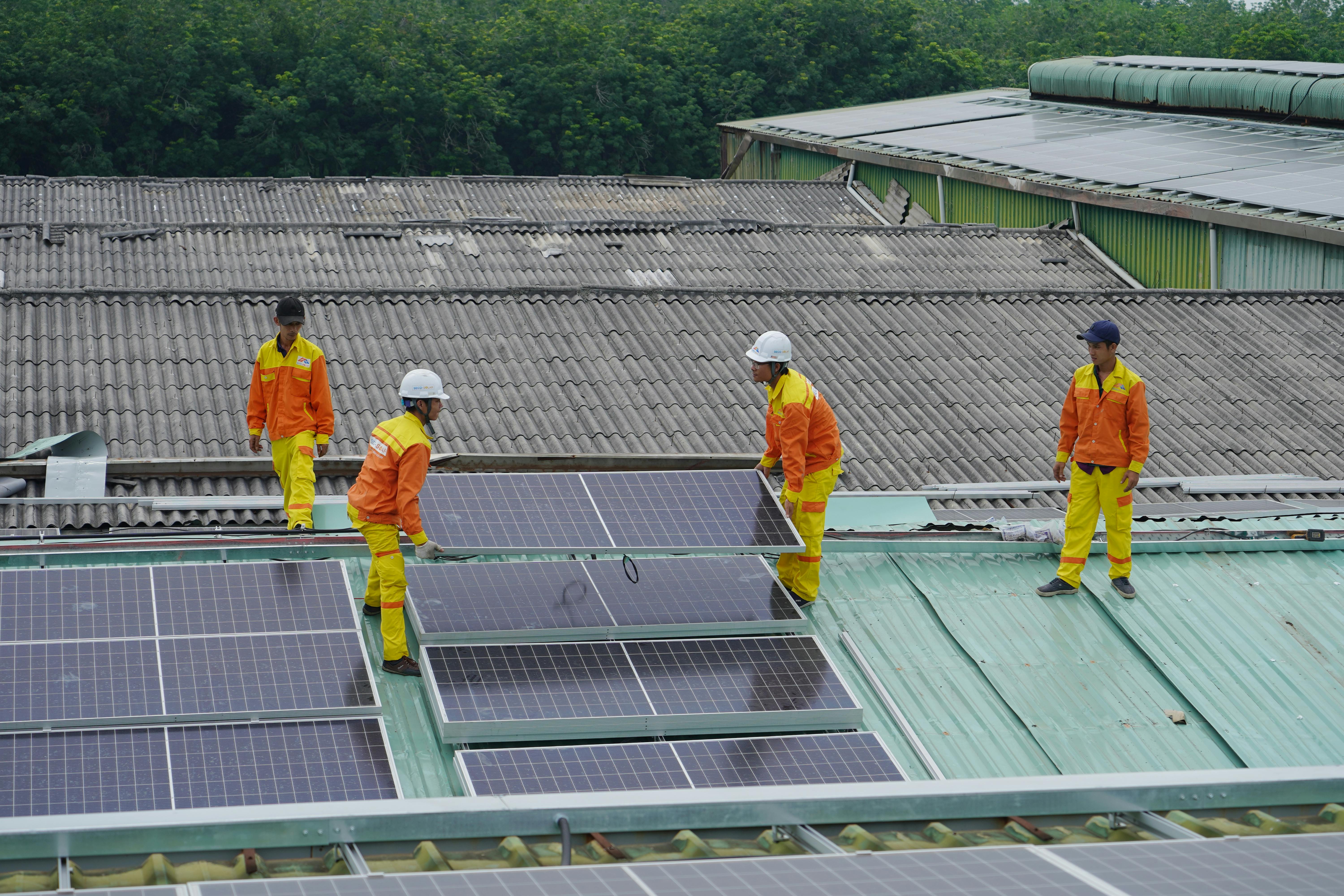
Solar Roof Panels vs. Traditional Roofing: Cost and ROI Compared
Solar roofing offers energy savings but carries a much higher upfront cost. Here's how it compares to traditional roofing on cost and long-term return.
Read article
GAF vs. Owens Corning vs. CertainTeed: Which Shingle Brand Is Right for You? (2026)
GAF, Owens Corning, and CertainTeed make roughly 80% of U.S. asphalt shingles. Here's how their flagship products, warranties, and pricing compare.
Read article
How Long Do Different Roofing Materials Actually Last?
Roofing materials vary widely in lifespan. Here's how long asphalt, metal, tile, and slate actually last, and what affects their longevity.
Read article
Best Roofing Materials for Hot Climates: Heat and UV Resistance Guide
Hot climates put extra stress on roofing materials. Here's how asphalt, metal, tile, and other options hold up against sun, heat, and UV exposure.
Read article
Metal Roof vs. Asphalt Shingles: Which Is Right for Your Home in 2026?
Choosing between metal and asphalt roofing? Here's a clear, side-by-side comparison of cost, lifespan, durability, and energy efficiency.
Read articleExplore more roofing resources
Related Calculators
- Skylight Installation Cost Calculator · Roof Cost Calculators
- Shingle Roof Cost Calculator · Roof Cost Calculators
- Roof Moss Removal Cost Calculator · Roof Cost Calculators
- Roof Flashing Repair Cost Calculator · Roof Cost Calculators
Related State Guides
- Arizona Roofing Costs · Tile Roofing · West
- California Roofing Costs · Tile Roofing · West
- Colorado Roofing Costs · Asphalt Shingles · West
- Florida Roofing Costs · Tile Roofing · South