Best Roofing Materials for Hot Climates: Heat and UV Resistance Guide
Hot climates put extra stress on roofing materials. Here's how asphalt, metal, tile, and other options hold up against sun, heat, and UV exposure.
Why Climate Should Shape Your Material Choice
Roofing materials don't perform the same way everywhere.
In hot, sunny climates, prolonged heat and UV exposure can accelerate wear far faster than in milder regions.
Choosing a material built for heat resistance can extend your roof's lifespan and reduce energy costs at the same time.
How Heat and UV Exposure Damage a Roof
Constant sun exposure breaks down roofing materials in a few specific ways.
- UV rays cause asphalt shingles to dry out, crack, and lose granules faster
- Repeated heating and cooling cycles stress seams and flashing
- Dark-colored materials absorb more heat, raising attic temperatures
- Prolonged heat can shorten the effective lifespan of lower-grade materials
Materials designed for hot climates are built specifically to resist these effects.
Asphalt Shingles in Hot Climates
Asphalt shingles remain widely used even in hot regions, largely due to affordability.
However, standard asphalt shingles tend to wear faster under intense, prolonged sun exposure compared to other materials.
Choosing lighter-colored, reflective, or heat-rated asphalt shingles can meaningfully improve performance in these conditions.
Metal Roofing in Hot Climates
Metal roofing performs especially well in hot climates.
- Reflects a significant portion of solar heat rather than absorbing it
- Helps reduce attic temperatures and cooling costs
- Resists cracking and warping under repeated heat cycles
- Often available with reflective coatings for added efficiency
For homeowners focused on energy savings in sunny regions, metal is frequently one of the top-performing options.
Tile Roofing in Hot Climates
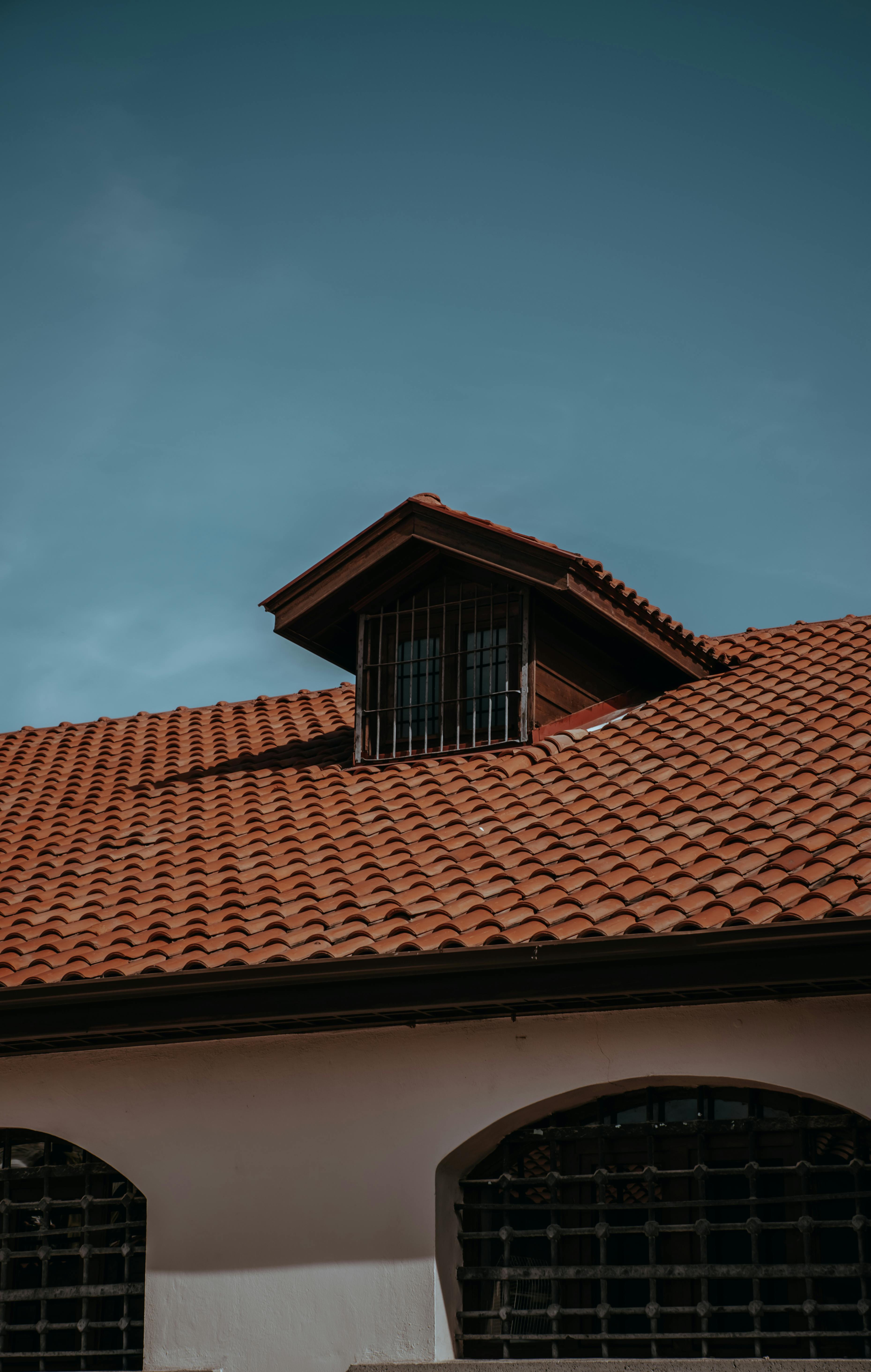
Clay and concrete tile are especially popular in hot, sunny states for good reason.
Tile naturally resists heat absorption and allows airflow beneath the tiles, which helps regulate attic temperature.
This natural insulating quality is part of why tile remains a traditional choice across much of the Southwest and southern United States.
Slate Roofing in Hot Climates
Slate performs well under UV exposure and resists cracking from heat cycles better than lower-grade materials.
It's a durable option in hot climates, though its higher cost and weight make it less common than tile or metal in these regions.
Comparing Heat Performance by Material
Asphalt shingles offer the lowest upfront cost but generally show the most wear from prolonged heat exposure, especially standard grades.
Metal roofing reflects heat effectively and holds up well long-term, making it a strong choice for hot, sunny areas.
Tile roofing naturally resists heat buildup and has a long track record in hot climates specifically.
Slate performs well under heat and UV stress, though cost and weight are bigger factors than climate performance alone.
Additional Ways to Improve Heat Performance
Material choice isn't the only factor that affects how well a roof handles heat.
- Proper attic ventilation reduces trapped heat regardless of material
- Reflective or "cool roof" coatings can improve performance on existing materials
- Adequate insulation helps regulate indoor temperatures
- Lighter roof colors generally absorb less heat than darker ones
Combining the right material with proper ventilation often delivers the best results in hot climates.
Choosing the Right Material for Your Home
The right choice depends on your budget, how long you plan to stay in the home, and your specific climate conditions.
Homeowners focused purely on heat performance often lean toward metal or tile, while those prioritizing upfront cost may choose upgraded asphalt shingle options instead.
Final Thoughts
Hot climates place real demands on roofing materials, and choosing the right one can meaningfully extend your roof's lifespan while lowering energy costs.
Metal and tile tend to perform best under sustained heat and UV exposure, while upgraded asphalt options offer a more budget-friendly middle ground.
Comparing your climate, budget, and long-term plans is the best way to choose confidently.
Frequently Asked Questions
What is the best roofing material for hot climates?
Metal and tile roofing generally perform best in hot climates due to their heat-reflective and heat-resistant properties, though upgraded asphalt shingles can also perform reasonably well.
Does roof color affect heat absorption?
Yes. Darker roofing materials absorb more heat, while lighter colors and reflective coatings help reduce heat buildup and lower cooling costs.
Is metal roofing too hot to touch in direct sun?
Metal roofing surfaces do get hot in direct sun, but its reflective properties actually help reduce heat transfer into the home compared to many other materials.
Why is tile roofing so common in hot states?
Tile naturally resists heat absorption and allows airflow beneath the tiles, which helps regulate attic temperature, making it a long-standing choice in hot, sunny regions.
Can proper ventilation improve any roofing material's heat performance?
Yes. Good attic ventilation reduces trapped heat regardless of roofing material, and pairing it with a heat-resistant material offers the best overall performance.
Disclaimer: This article is for informational purposes only and does not constitute professional roofing or engineering advice. Material performance varies based on specific climate conditions, installation quality, and product specifications. Always consult a licensed roofing contractor for guidance specific to your home and region.
---
Related resources
- Roof Replacement Cost CalculatorEstimate full roof replacement by state and material.
- Roof Repair Cost CalculatorPrice minor, moderate, and major repairs.
- Roof Financing CalculatorMonthly payments and total interest.
- Roof Claim EstimatorInsurance payout ranges by damage severity.
- State Roofing GuidesLocalized pricing and permitting.
- Research HubOriginal roofing reports and data.
Related articles
Solar Roof Panels vs. Traditional Roofing: Cost and ROI Compared
Solar roofing offers energy savings but carries a much higher upfront cost. Here's how it compares to traditional roofing on cost and long-term return.
Read article
GAF vs. Owens Corning vs. CertainTeed: Which Shingle Brand Is Right for You? (2026)
GAF, Owens Corning, and CertainTeed make roughly 80% of U.S. asphalt shingles. Here's how their flagship products, warranties, and pricing compare.
Read article
How Long Do Different Roofing Materials Actually Last?
Roofing materials vary widely in lifespan. Here's how long asphalt, metal, tile, and slate actually last, and what affects their longevity.
Read article
Metal Roof vs. Asphalt Shingles: Which Is Right for Your Home in 2026?
Choosing between metal and asphalt roofing? Here's a clear, side-by-side comparison of cost, lifespan, durability, and energy efficiency.
Read article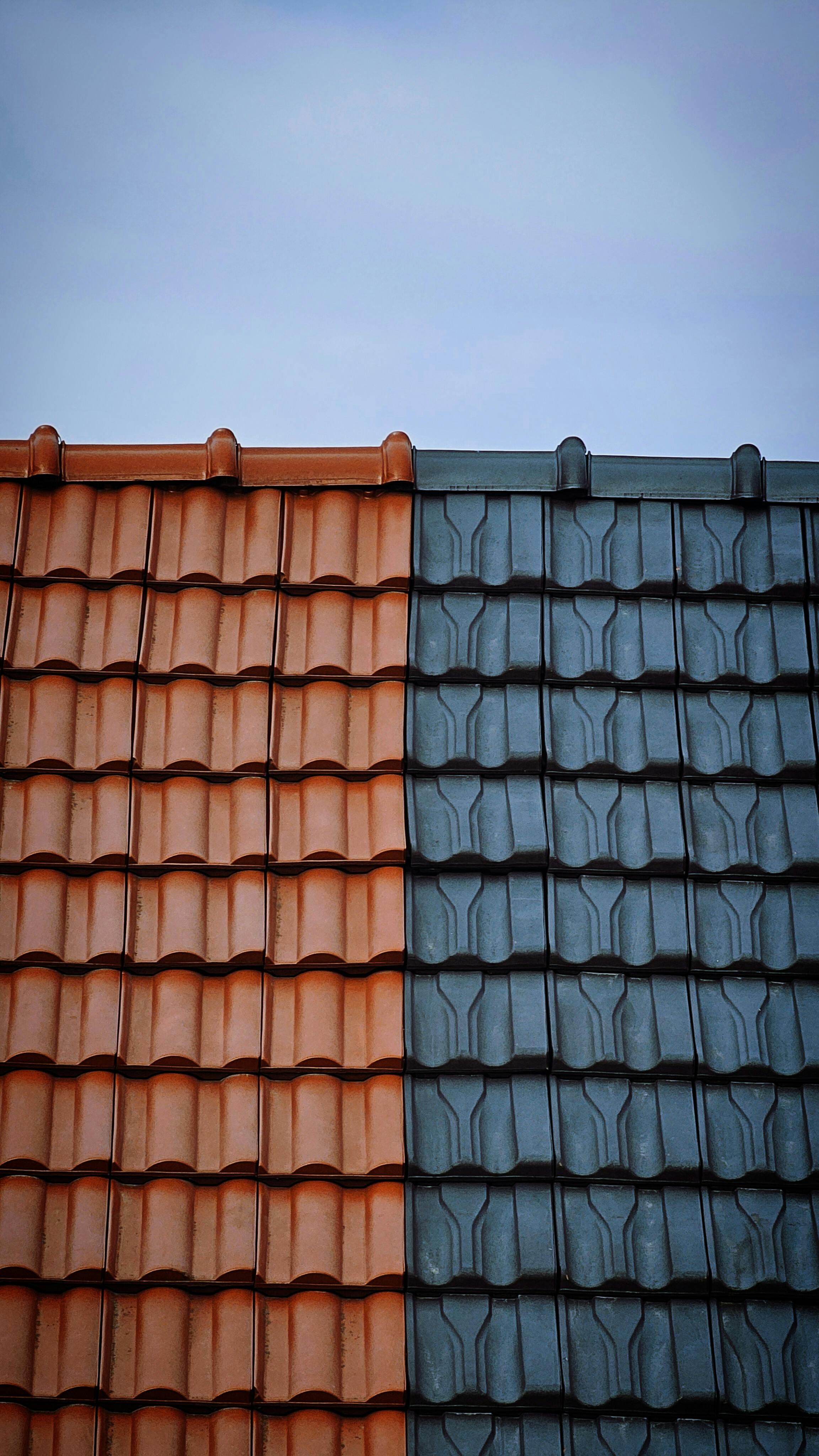
Roof Replacement Cost by Material: Asphalt, Metal, Tile, and Slate Compared (2026 Guide)
Roofing material choice dramatically affects your total cost. Here's a clear cost breakdown for asphalt, metal, tile, and slate roofs in 2026.
Read articleExplore more roofing resources
Related Calculators
- Roof Inspection Cost Calculator · Roof Cost Calculators
- Mobile Home Roof Cost Calculator · Roof Cost Calculators
- Fascia Installation Cost Calculator · Roof Cost Calculators
- Skylight Installation Cost Calculator · Roof Cost Calculators
Related State Guides
- Arizona Roofing Costs · Tile Roofing · West
- California Roofing Costs · Tile Roofing · West
- Colorado Roofing Costs · Asphalt Shingles · West
- Florida Roofing Costs · Tile Roofing · South