How Long Does a Roof Replacement Take? Complete Homeowner Timeline (2026 Guide)
Wondering how long a roof replacement takes? This complete 2026 timeline breaks down every stage, from planning to cleanup, so you know exactly what to expect.
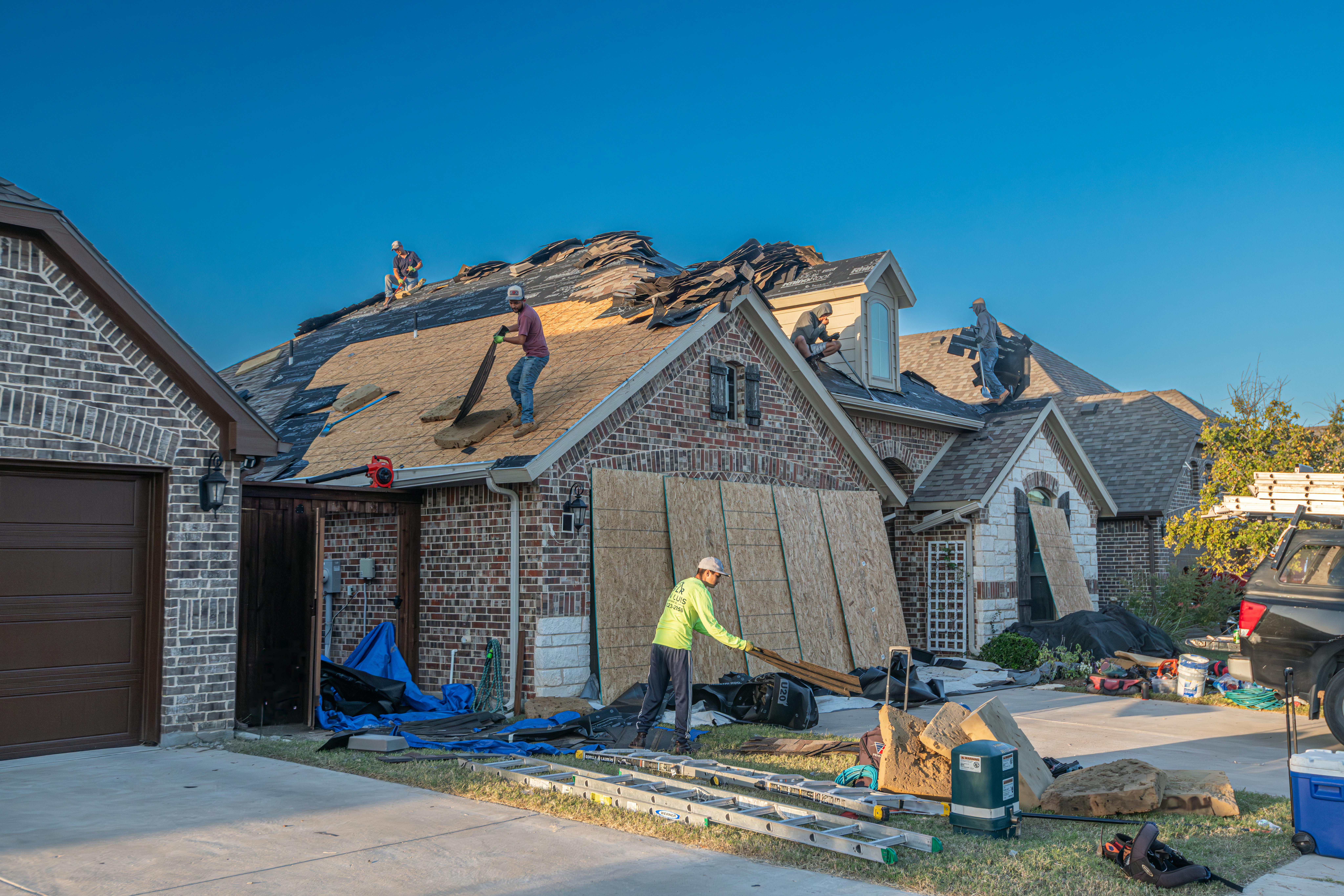
Replacing a roof is one of the biggest home improvement projects a homeowner will ever take on, and understandably, one of the first questions people ask is simple: how long is this actually going to take? The answer depends on several factors, but most homeowners can expect the physical installation to be completed in one to three days, while the entire process from planning to final cleanup can span anywhere from a few weeks to a couple of months.
This guide walks through every stage of a roof replacement timeline for 2026, so you know what to expect before the first shingle comes off.
Average Roof Replacement Timeline at a Glance
For a typical single-family home with an asphalt shingle roof, most installations take between one and three days once work begins. Larger homes, steeper rooflines, or premium materials like tile and metal can extend that to four or five days.
However, the installation itself is only part of the story. When you factor in estimates, permitting, material ordering, and scheduling, the full project timeline often runs four to eight weeks from your first phone call to the final walkthrough.
Step 1: Initial Research and Contractor Selection (1–2 Weeks)
Before any work begins, most homeowners spend one to two weeks researching roofing contractors, reading reviews, and requesting quotes. This stage is worth taking seriously, since a rushed decision here can lead to delays or quality issues later.
During this phase, it helps to:
- Request at least three written estimates from licensed, insured contractors
- Verify licensing and insurance with your state's contractor licensing board
- Ask for references from recent local projects
- Compare warranty terms, not just price
Homeowners who want a ballpark figure before contacting contractors often start with the Roof Replacement Cost Calculator to understand typical pricing ranges for their roof size and material choice.
Step 2: Roof Inspection and Estimate (1–3 Days)
Once you've selected a few contractors to consider, each will typically schedule an on-site inspection. This visit usually takes one to two hours and includes measuring the roof, checking the condition of the decking, and identifying any underlying issues like water damage or ventilation problems.
Most contractors provide a written estimate within one to three days of the inspection. If you're unsure whether a full replacement or a targeted repair makes more sense, the Roof Inspection Cost Calculator can help you understand what a professional inspection typically costs and what it covers.
What Inspectors Look For
- Signs of shingle curling, cracking, or granule loss
- Soft spots or sagging in the decking
- Flashing condition around chimneys and vents
- Existing leaks or water stains in the attic
Step 3: Contract Signing and Material Ordering (1–3 Weeks)
After choosing a contractor, you'll sign a contract outlining scope of work, materials, timeline, and payment terms. Standard materials like architectural asphalt shingles are often in stock and can be delivered within a few days.
Specialty materials, however, can extend this stage significantly:
- Metal roofing panels: often 2–4 weeks for custom-fabricated orders
- Clay or concrete tile: frequently 3–6 weeks depending on the manufacturer
- Slate: can take 6 weeks or longer in some regions
If cost is a concern during this stage, the Roof Financing Calculator can help homeowners map out monthly payment options before committing to a contract.
Step 4: Permitting (3–10 Business Days)
Most municipalities require a permit for a full roof replacement, and processing times vary widely by location. Some cities issue same-day permits for straightforward reroofing jobs, while others take one to two weeks, especially in areas with strict building codes or historic district reviews.
Reputable contractors typically handle the permitting process on your behalf, but it's worth confirming this is included in your contract and factored into the overall schedule.
Step 5: Scheduling the Installation Date
Once materials arrive and permits are approved, your contractor will schedule an installation date. Keep in mind that demand is seasonal in most parts of the country, and scheduling during peak roofing season, typically late spring through early fall, can mean a wait of two to six weeks even after everything else is finalized.
Booking early in the process, rather than waiting until you're ready to start, can help avoid unnecessary delays.
Step 6: The Installation Day-by-Day
This is the part most homeowners are curious about. Here's what a typical multi-day installation looks like for an asphalt shingle roof.
Day 1: Tear-Off and Deck Inspection
Crews remove the old roofing material down to the decking, haul away debris, and inspect the plywood or OSB sheathing underneath for rot or damage. Any compromised decking is replaced before moving forward.
Day 2: Underlayment and Flashing
Once the deck is prepped, crews install synthetic underlayment or felt paper, along with new flashing around chimneys, vents, and valleys to prevent future leaks.
Day 3: Shingle Installation and Cleanup
The new shingles are installed, ridge vents and caps are added, and the crew performs a full cleanup, including a magnetic sweep of the yard to collect stray nails.
Homeowners dealing with an active leak while waiting for their scheduled replacement can reference the Roof Leak Repair Cost Calculator to understand temporary repair costs in the meantime.
Factors That Can Extend the Timeline
Several variables can push a project beyond the average timeline:
- Weather delays: Rain, high winds, or extreme heat can pause work for safety reasons
- Roof complexity: Multiple roof planes, steep pitches, or dormers add time
- Structural repairs: Discovering rotted decking mid-project requires additional work
- Material availability: Supply chain issues can delay specialty products
- Permit backlogs: Busy municipal offices may take longer during peak season
How to Keep Your Project on Schedule
Homeowners can help minimize delays by preparing ahead of time. A few practical steps include:
- Clearing vehicles and outdoor furniture from the driveway and yard
- Confirming pet arrangements, since roofing work is loud
- Reviewing the contract for a clear start and completion date
- Asking your contractor how weather delays will be communicated
Frequently Asked Questions
How long does it take to replace a roof on an average house? Most standard asphalt shingle roofs on single-family homes take one to three days to install, though the full process including planning and permitting can take four to eight weeks.
Can a roof be replaced in one day?
Yes, smaller or simpler roofs, particularly ranch-style homes with straightforward rooflines, can sometimes be completed in a single day by an experienced crew.
Does rain delay roof replacement?
Yes, roofing work typically pauses during rain for safety and to prevent water damage to exposed decking. Most contractors build minor weather delays into their scheduling.
Why do metal or tile roofs take longer to install?
Metal panels are often custom-fabricated to fit specific roof dimensions, and tile installation requires more time due to weight distribution and specialized techniques, both of which extend production and installation timelines.
Should I stay home during my roof replacement?
It's not required, but many homeowners choose to be home, especially on the first day, to answer questions and address any unexpected issues the crew discovers.
Final Thoughts
Understanding the roof replacement timeline helps set realistic expectations and reduces stress throughout the process. While the physical installation is often completed in just a few days, proper planning, material selection, and permitting all play a role in the bigger picture. Working with a licensed, experienced contractor and preparing your home in advance are the best ways to keep your project moving smoothly from start to finish.
Disclaimer: This article is for informational purposes only and does not constitute professional roofing, engineering, or contracting advice. Timelines vary based on location, contractor availability, roof complexity, and weather conditions. Always consult a licensed roofing contractor for an accurate assessment of your specific project.
Related resources
- Roof Replacement Cost CalculatorEstimate full roof replacement by state and material.
- Roof Repair Cost CalculatorPrice minor, moderate, and major repairs.
- Roof Financing CalculatorMonthly payments and total interest.
- Roof Claim EstimatorInsurance payout ranges by damage severity.
- State Roofing GuidesLocalized pricing and permitting.
- Research HubOriginal roofing reports and data.
Related articles
Signs You Need a New Roof: 12 Warning Signs Homeowners Should Never Ignore (2026 Guide)
Not sure if your roof needs repair or full replacement? Here are 12 clear warning signs that tell you it's time to call a professional.
Read article
10 Warning Signs You Need a Roof Replacement Before It's Too Late
Learn the top warning signs your roof may need replacement before serious damage occurs. Discover when repairs are enough and when replacing your roof is the smarter investment.
Read articleExplore more roofing resources
Related Calculators
- Roof Replacement Cost Calculator · Roof Cost Calculators
- Commercial Roof Replacement Cost Calculator · Roof Cost Calculators
- Flat Roof Replacement Cost Calculator · Roof Cost Calculators
- Roof Replacement Savings Plan Calculator · Financing Calculators
Related State Guides
- Arizona Roofing Costs · Tile Roofing · West
- California Roofing Costs · Tile Roofing · West
- Colorado Roofing Costs · Asphalt Shingles · West
- Florida Roofing Costs · Tile Roofing · South