Roof Replacement

10 Warning Signs You Need a Roof Replacement Before It's Too Late

Learn the top warning signs your roof may need replacement before serious damage occurs. Discover when repairs are enough and when replacing your roof is the smarter investment.

RoofingCalculatorUSA Editorial TeamPublished July 10, 2026Updated July 10, 20265 min read
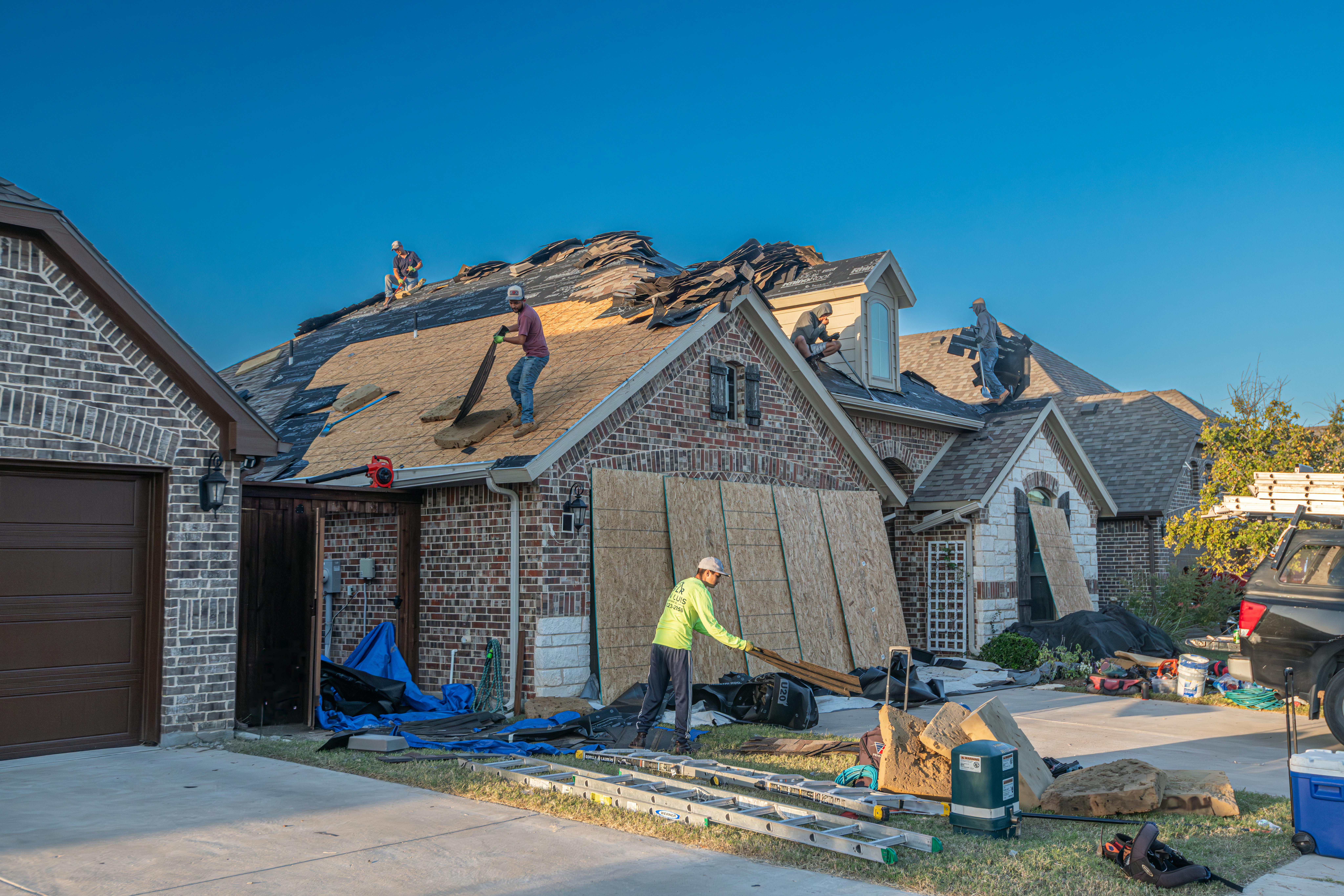
10 Warning Signs You Need a Roof Replacement Before It's Too Late

Your roof protects your home every day from rain, wind, snow, sunlight, and changing weather conditions. Because roofing systems are designed to last for decades, many homeowners overlook early warning signs until a minor issue becomes a costly repair—or even a complete roof replacement.

Recognizing roofing problems early can help prevent water damage, mold growth, structural deterioration, higher energy bills, and expensive emergency repairs. In this guide, you'll learn the ten most common warning signs that your roof may need replacement and what steps you should take next.


1. Your Roof Has Reached the End of Its Expected Lifespan

Every roofing material has an expected lifespan. Asphalt shingles generally last fewer years than premium materials such as metal, slate, or clay tile roofing.

If your roof is approaching the end of its expected service life, schedule a professional inspection before small issues become major structural problems.

Before requesting estimates, use our Roof Inspection Cost Calculator to estimate inspection costs based on your location.


2. Missing, Cracked, or Curling Shingles

Missing shingles expose the roof to moisture and UV damage. Cracked, curled, or blistered shingles are often signs of aging or prolonged weather exposure.

While replacing a few shingles may solve a localized problem, widespread damage usually indicates that a full roof replacement should be considered.


3. Water Leaks Inside Your Home

Water stains on ceilings, damp attic insulation, peeling paint, mold growth, or musty odors often indicate roofing issues.

Leaks rarely fix themselves. Even a small leak can eventually damage insulation, drywall, and wooden framing.

Before contacting contractors, estimate repair costs with our Roof Leak Repair Cost Calculator.


4. Your Roof Is Sagging

A sagging roof should never be ignored because it may indicate serious structural problems.

Common causes include:

  • Water-damaged roof decking
  • Structural deterioration
  • Rotten wood
  • Excessive roof loads

If you notice any sagging areas, schedule a professional roof inspection immediately.


5. Large Amounts of Granules in Gutters

Asphalt shingles naturally lose granules as they age.

Finding excessive granules inside gutters or around downspouts often indicates that shingles are nearing the end of their useful life and may no longer provide adequate protection against weather.


6. Moss, Algae, or Mold Growth

While small amounts of algae are common, excessive moss traps moisture against roofing materials.

Over time, trapped moisture accelerates roof deterioration and shortens the life of the roofing system.

Regular maintenance and proper attic ventilation can help prevent these problems.


7. Increasing Energy Bills

Older roofing systems often lose efficiency because damaged roofing materials and poor attic ventilation allow conditioned air to escape.

If your heating or cooling bills continue increasing without another obvious cause, your roof may be contributing to the problem.


8. Frequent Roof Repairs

Occasional repairs are normal throughout a roof's lifespan.

However, if you're paying for roof repairs every year, replacing the roof may become the more economical long-term solution.

Compare your repair costs with our Roof Replacement Cost Calculator before making a final decision.


9. Storm Damage

Hail, hurricanes, tornadoes, strong winds, and falling tree branches can all shorten the lifespan of a roof.

Even if damage appears minor, schedule a professional inspection after major storms to identify hidden problems before they become expensive repairs.


10. Your Roof Simply Looks Worn Out

Visible signs of roof aging include:

  • Curling shingles
  • Missing shingles
  • Broken ridge caps
  • Faded roofing materials
  • Loose flashing
  • Uneven roof appearance

If your roof appears significantly older than neighboring homes built around the same time, replacement may soon become necessary.


Should You Repair or Replace?

Not every roofing problem requires a complete replacement.

Roof Repair May Be the Better Choice If:

  • The damage is limited to one small area.
  • Your roof is relatively new.
  • The roof structure remains in good condition.
  • Storm damage is localized.

Roof Replacement Is Usually the Better Option If:

  • Multiple leaks are present.
  • The roof has reached the end of its lifespan.
  • Storm damage is widespread.
  • Structural damage is discovered.
  • Repair costs continue increasing every year.

If you're unsure which option is right for your home, compare both scenarios using our Roof Replacement Cost Calculator before requesting contractor estimates.


Estimate Your Roofing Project

Before contacting a roofing contractor, estimate your project using RoofingCalculatorUSA.com's free planning tools:

These calculators help homeowners estimate costs, compare different roofing options, and plan projects with greater confidence.


Final Thoughts

Ignoring early roofing problems can lead to much larger repair bills in the future.

By recognizing these warning signs early, homeowners can schedule inspections sooner, plan repairs more effectively, and avoid unnecessary emergency expenses.

Whether your roof requires a simple repair or a complete replacement, understanding your options today can save both time and money tomorrow.

Before hiring a contractor, use RoofingCalculatorUSA.com's calculators, cost guides, and educational resources to make informed roofing decisions.


Frequently Asked Questions

How can I tell if my roof needs replacement?

Common warning signs include multiple leaks, curling or missing shingles, sagging roof sections, excessive granule loss, and a roof that has reached the end of its expected lifespan.


Can I repair my roof instead of replacing it?

Yes. If the damage is localized and the remaining roofing system is structurally sound, repairs are often the most practical and cost-effective solution.


How often should I have my roof inspected?

Most roofing professionals recommend scheduling a roof inspection at least once each year and after major storms.


Does homeowners insurance cover roof replacement?

Insurance may cover roof replacement when the damage results from covered events such as hail, wind, or falling trees. Damage caused by normal aging or poor maintenance is generally not covered.


What should I do before hiring a roofing contractor?

Estimate your project costs, compare multiple written estimates, verify licensing and insurance, review customer feedback, and understand warranty coverage before signing any contract.


Disclaimer

The information provided in this article is for educational purposes only and should not be considered professional roofing, engineering, legal, insurance, or financial advice. Roofing costs and recommendations vary based on property condition, location, contractor pricing, weather, and local building codes. Always consult a licensed roofing professional before making repair or replacement decisions.

Related resources

Related articles