Signs You Need a New Roof: 12 Warning Signs Homeowners Should Never Ignore (2026 Guide)
Not sure if your roof needs repair or full replacement? Here are 12 clear warning signs that tell you it's time to call a professional.
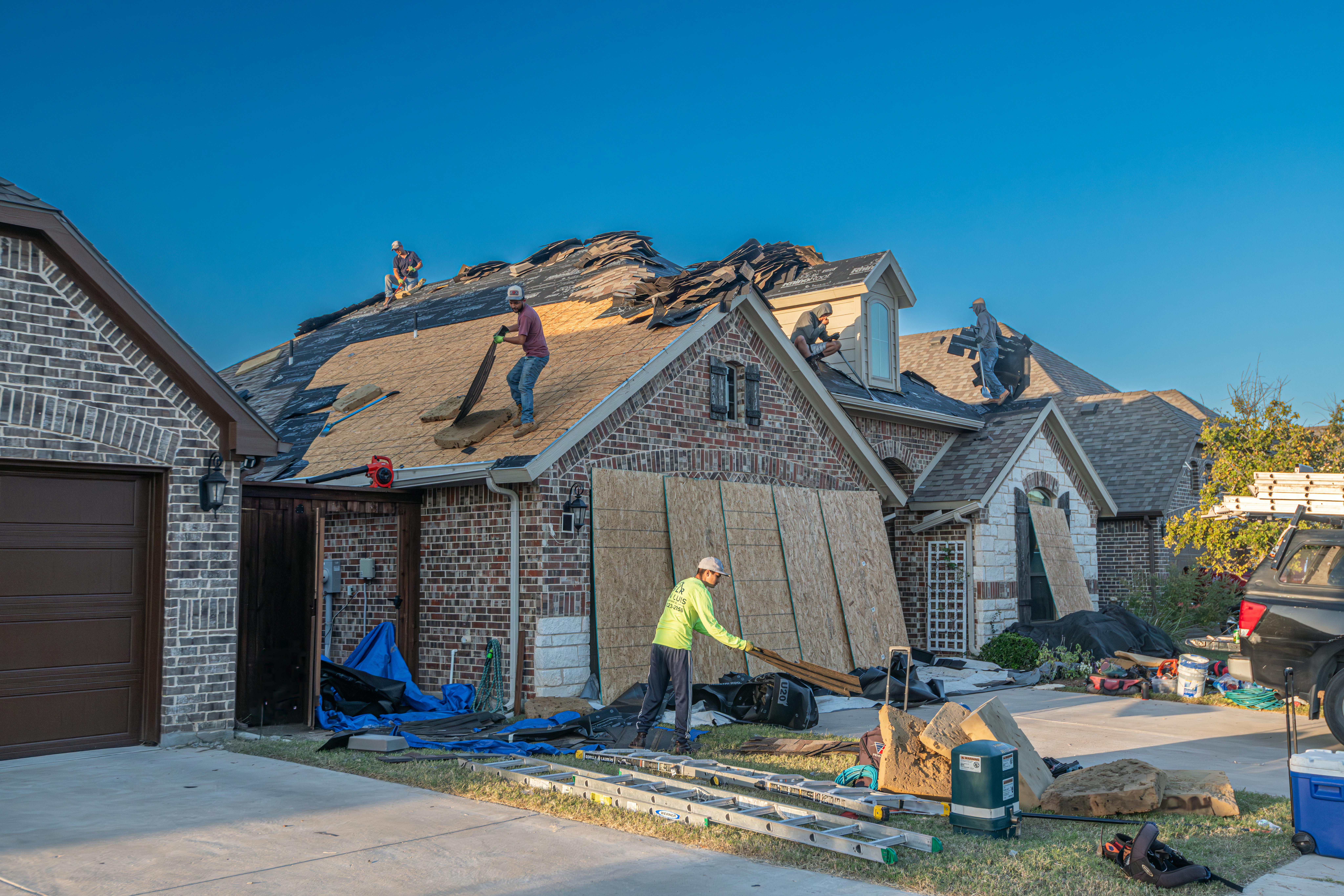
Signs You Need a New Roof: 12 Warning Signs Homeowners Should Never Ignore
Most homeowners don't think about their roof until something goes wrong, and by then, a simple repair may no longer be enough. Roofs typically fail gradually, giving off warning signs long before a full leak or collapse occurs. Knowing what to look for can save you from unexpected damage, higher repair bills, and rushed decisions.
This guide walks through the 12 most reliable signs that your roof may need replacing, along with what to do next.
1. Your Roof Is Nearing or Past Its Expected Lifespan
Asphalt shingle roofs typically last 20–25 years, while architectural shingles can last up to 30 years. Metal, tile, and slate roofs often last much longer. If you know your roof's age and it's approaching the upper end of its expected lifespan, replacement should be part of your planning, even if it looks fine from the ground.
2. Shingles Are Curling, Cracking, or Losing Granules
Curling or cracked shingles are one of the clearest visual signs of wear. Granule loss, often visible as small dark or colored specks in gutters or downspouts, means shingles are losing the protective layer that shields them from UV damage and moisture.
What this looks like:
- Shingle edges lifting upward or curling inward
- Bald patches where granules have worn away
- Cracked or split shingles, especially after storms
3. Missing or Damaged Shingles After a Storm
High winds and hail can knock shingles loose or damage them enough to compromise your roof's protection. A few missing shingles might be repairable, but widespread damage across the roof often signals it's time for a fuller assessment.
4. Daylight Visible Through the Attic Roof Boards
If you can see daylight coming through your roof boards from inside the attic, that's a direct sign of gaps or holes that allow water and pests inside. This is one of the more urgent signs on this list and typically requires prompt attention.
5. Sagging Roof Deck
A sagging or drooping roofline usually points to structural issues, often from prolonged water damage to the decking underneath. This is not a cosmetic issue. A professional inspection is strongly recommended before the problem worsens.
6. Water Stains on Ceilings or Walls
Brown or yellow stains on interior ceilings are a classic sign of a roof leak. While the source isn't always obvious from inside the house, persistent or recurring stains usually mean water is finding its way past the roofing material.
Homeowners noticing early leak signs may want to estimate repair costs before the damage spreads further.
7. Moss, Algae, or Excessive Dark Streaking
Some algae staining is cosmetic and common in humid climates, but heavy moss growth can trap moisture against the roof surface and accelerate deterioration over time, particularly on the shaded, north-facing sections of a roof.
8. Rising Energy Bills
An aging or damaged roof can compromise attic insulation and ventilation, forcing your HVAC system to work harder. If your energy bills have crept up without an obvious explanation, roof condition is worth investigating.
9. Visible Light Around Flashing or Vents
Flashing seals the joints around chimneys, skylights, and vents. When flashing deteriorates or separates, it creates entry points for water. Cracked, rusted, or missing flashing is a common source of leaks that isn't always visible from the ground.
10. Multiple Layers of Old Shingles
Some roofs have two or more layers of shingles installed over time. Building codes in many areas limit how many layers are allowed, and multiple layers can trap heat and moisture, shortening the lifespan of the roofing system. In these cases, a full tear-off and replacement is usually the better long-term choice.
11. Neighbors Are Replacing Their Roofs
If homes in your neighborhood were built around the same time and neighbors are having roofs replaced, it's a practical signal that similarly-aged roofs, including yours, may be approaching the same point in their lifespan.
12. Repair Costs Are Adding Up
If you've called a roofer for the same recurring issue more than once, or repair costs are climbing each time, it may be more cost-effective to replace the roof rather than continue patching it. This is especially true if the roof is already past the midpoint of its expected lifespan.
Repair or Replace? A Quick Way to Decide
If you're seeing one or two isolated issues on a relatively young roof, repair is often the right call. If you're seeing multiple signs from this list, especially structural ones like sagging or daylight through the deck, replacement is usually the safer long-term investment.
Getting a Professional Opinion
Visual inspection from the ground can only tell you so much. A licensed roofing contractor can check attic ventilation, decking condition, and flashing up close, areas that are difficult to assess safely on your own.
Frequently Asked Questions
How do I know if my roof needs to be replaced or just repaired?
Isolated issues like a few missing shingles usually indicate a repair is enough, while widespread damage, sagging, or multiple recurring problems typically point to replacement.
What is the average lifespan of an asphalt shingle roof?
Most asphalt shingle roofs last between 20 and 25 years, though architectural shingles and proper ventilation can extend that closer to 30 years.
Can I inspect my roof myself?
You can do a basic visual check from the ground or attic, but a full inspection of decking, flashing, and ventilation is best left to a licensed professional for safety and accuracy.
Does homeowners insurance cover roof replacement?
Coverage depends on the cause of damage and your specific policy. Storm or hail damage is often covered, while damage from age or lack of maintenance typically is not.
How much does it cost to replace a roof?
Costs vary based on roof size, material, and location, so it's worth checking regional pricing for a more accurate estimate.
Final Thoughts
A roof rarely fails without warning. Paying attention to these 12 signs, from curling shingles to rising energy bills, gives homeowners the chance to act before minor issues become major, costly repairs. When in doubt, a professional inspection is the most reliable way to know exactly where your roof stands.
/calculators/roof-leak-repair-cost-calculator
Disclaimer: This article is for informational purposes only and does not constitute professional roofing, engineering, or insurance advice. Roof condition and lifespan vary based on material, climate, installation quality, and maintenance history. Always consult a licensed roofing contractor for an accurate assessment of your specific roof.
Related resources
- Roof Replacement Cost CalculatorEstimate full roof replacement by state and material.
- Roof Repair Cost CalculatorPrice minor, moderate, and major repairs.
- Roof Financing CalculatorMonthly payments and total interest.
- Roof Claim EstimatorInsurance payout ranges by damage severity.
- State Roofing GuidesLocalized pricing and permitting.
- Research HubOriginal roofing reports and data.
Related articles
How Long Does a Roof Replacement Take? Complete Homeowner Timeline (2026 Guide)
Wondering how long a roof replacement takes? This complete 2026 timeline breaks down every stage, from planning to cleanup, so you know exactly what to expect.
Read article
10 Warning Signs You Need a Roof Replacement Before It's Too Late
Learn the top warning signs your roof may need replacement before serious damage occurs. Discover when repairs are enough and when replacing your roof is the smarter investment.
Read articleExplore more roofing resources
Related Calculators
- Roof Replacement Cost Calculator · Roof Cost Calculators
- Commercial Roof Replacement Cost Calculator · Roof Cost Calculators
- Flat Roof Replacement Cost Calculator · Roof Cost Calculators
- Roof Replacement Savings Plan Calculator · Financing Calculators
Related State Guides
- Arizona Roofing Costs · Tile Roofing · West
- California Roofing Costs · Tile Roofing · West
- Colorado Roofing Costs · Asphalt Shingles · West
- Florida Roofing Costs · Tile Roofing · South