How Long Does a Roof Replacement Take? Complete Timeline for Homeowners
Learn how long a roof replacement typically takes, what affects the timeline, and how homeowners can prepare for a smooth roofing project.
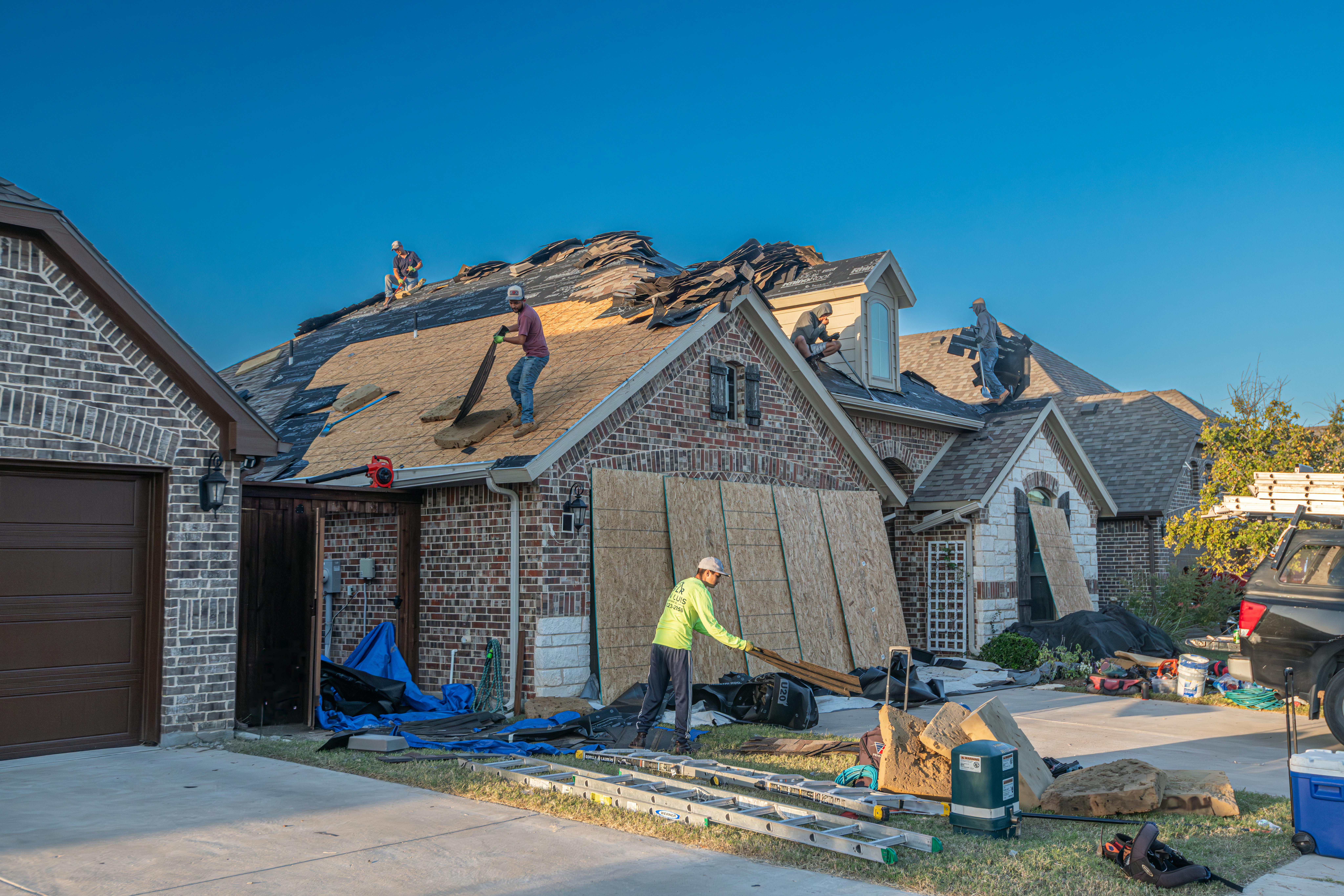
Replacing a roof is one of the most important home improvement projects a homeowner will undertake. One of the first questions most people ask is, "How long will my roof replacement take?"
The answer depends on several factors, including the size of your roof, the roofing material you choose, weather conditions, and whether hidden structural damage is discovered during the project.
Understanding the typical roofing timeline helps you prepare your home, set realistic expectations, and communicate more effectively with your roofing contractor.
Average Roof Replacement Timeline
For most residential homes, a complete roof replacement takes one to three days under normal weather conditions.
A typical project includes:
Delivering roofing materials Protecting landscaping and surrounding areas Removing the existing roof Inspecting the roof decking Installing underlayment Installing new roofing materials Completing flashing and ventilation work Final cleanup and inspection
Larger homes or more complex roofing systems may require additional time.
Factors That Affect Roof Replacement Time
Several factors influence how long your roofing project will take.
Roof Size
Larger roofs require more materials and labor, increasing installation time.
Before requesting contractor estimates, use our Roof Replacement Cost Calculator to estimate your total project cost. You can also compare roof slope with the Roof Pitch Calculator, estimate inspection costs using the Roof Inspection Cost Calculator, and calculate monthly payments with the Roof Financing Calculator before making a final decision.
Roofing Material
Different roofing materials require different installation techniques.
For example:
Asphalt shingles are generally the fastest to install. Metal roofing requires specialized tools and precision. Slate and clay tile roofs typically take longer because each tile is installed individually. Roof Pitch
Steeper roofs require additional safety equipment and slower installation procedures.
If you're unsure about your roof's slope, estimate it with our Roof Pitch Calculator before discussing your project with contractors.
Number of Stories
Two-story and three-story homes generally take longer because materials and equipment must be transported safely to higher elevations.
Weather Conditions
Weather is one of the biggest reasons roofing projects are delayed.
Common causes include:
Heavy rain High winds Lightning Snow Extreme heat
Professional roofing contractors monitor weather forecasts carefully to ensure safe working conditions and proper installation.
Unexpected Structural Repairs
Once the old roofing materials have been removed, contractors inspect the roof decking underneath.
Sometimes they discover:
Rotten wood Water damage Mold Damaged roof decking Structural deterioration
Repairing these issues before installing a new roof helps prevent future problems but may extend the overall project timeline.
Typical Day-by-Day Schedule Day One
The roofing crew delivers materials, protects the property, removes the old roofing system, and begins inspecting the roof deck.
If conditions allow, underlayment installation may also begin.
Day Two
The majority of the new roofing material is installed.
Flashing, ridge caps, roof vents, and waterproofing components are completed during this stage.
Day Three
The contractor performs final inspections, cleans the work area, removes debris, and uses magnetic tools to collect nails from the property.
How Homeowners Can Prepare
Preparing your property before the project begins helps ensure a smoother installation.
Consider these simple steps:
Move vehicles away from the home. Protect valuable items stored in the attic. Remove fragile wall decorations. Inform neighbors about the project. Keep children and pets away from active work areas.
These preparations reduce disruptions and improve job-site safety.
Choosing the Right Roofing Contractor
The experience of your contractor has a significant impact on both project quality and completion time.
Before signing a contract:
Compare at least three written estimates. Verify licenses and insurance. Review customer feedback. Understand warranty coverage. Ask about cleanup procedures.
Our guide How to Choose the Best Roofing Contractor in 2026 explains these steps in greater detail.
Estimate Your Roofing Project
Before contacting contractors, estimate your roofing costs using these free tools on RoofingCalculatorUSA.com:
Roof Replacement Cost Calculator Roof Pitch Calculator Roof Inspection Cost Calculator Roof Financing Calculator
These calculators help homeowners compare different project scenarios and prepare realistic budgets before requesting professional estimates.
Final Thoughts
Most residential roof replacements are completed within just a few days, but every project is unique.
Roof size, roofing material, weather conditions, and structural repairs all influence the overall timeline. Understanding these factors allows homeowners to plan ahead, minimize surprises, and choose qualified roofing professionals with confidence.
Before starting your project, estimate your costs using RoofingCalculatorUSA.com's free calculators and compare multiple contractor quotes to make an informed decision.
Frequently Asked Questions
How long does a roof replacement usually take?
Most residential roof replacements are completed within one to three days, although larger or more complex roofs may require additional time. Can bad weather delay a roof replacement? Yes. Rain, high winds, lightning, snow, and extreme weather conditions can delay roofing work to protect workers and ensure proper installation. Does roof size affect installation time? Yes. Larger roofs require more materials and labor, increasing the total time needed to complete the project. Should I stay home during roof replacement? Many homeowners remain at home during roof replacement, although the work can be noisy. Some families choose to leave during the busiest installation periods. What happens if damaged roof decking is found? Damaged roof decking is usually repaired or replaced before installing the new roofing system to ensure a safe and long-lasting roof.
Disclaimer: The information provided in this article is for educational purposes only and should not be considered professional roofing, engineering, legal, insurance, or financial advice. Roofing timelines vary based on weather, property conditions, roofing materials, contractor availability, and local building codes. Always consult a licensed roofing contractor before beginning a roof replacement project.
Related resources
- Roof Replacement Cost CalculatorEstimate full roof replacement by state and material.
- Roof Repair Cost CalculatorPrice minor, moderate, and major repairs.
- Roof Financing CalculatorMonthly payments and total interest.
- Roof Claim EstimatorInsurance payout ranges by damage severity.
- State Roofing GuidesLocalized pricing and permitting.
- Research HubOriginal roofing reports and data.
Related articles
Explore more roofing resources
Related Calculators
- Roof Replacement Cost Calculator · Roof Cost Calculators
- Skylight Installation Cost Calculator · Roof Cost Calculators
- Roof Flashing Repair Cost Calculator · Roof Cost Calculators
- Roof Pitch Calculator · Material Calculators
Related State Guides
- Arizona Roofing Costs · Tile Roofing · West
- California Roofing Costs · Tile Roofing · West
- Colorado Roofing Costs · Asphalt Shingles · West
- Florida Roofing Costs · Tile Roofing · South