Roof Ventilation 101: Why It Matters and What It Costs to Fix
Poor roof ventilation can shorten your roof's lifespan and raise energy bills. Here's why ventilation matters and what fixing it typically costs.
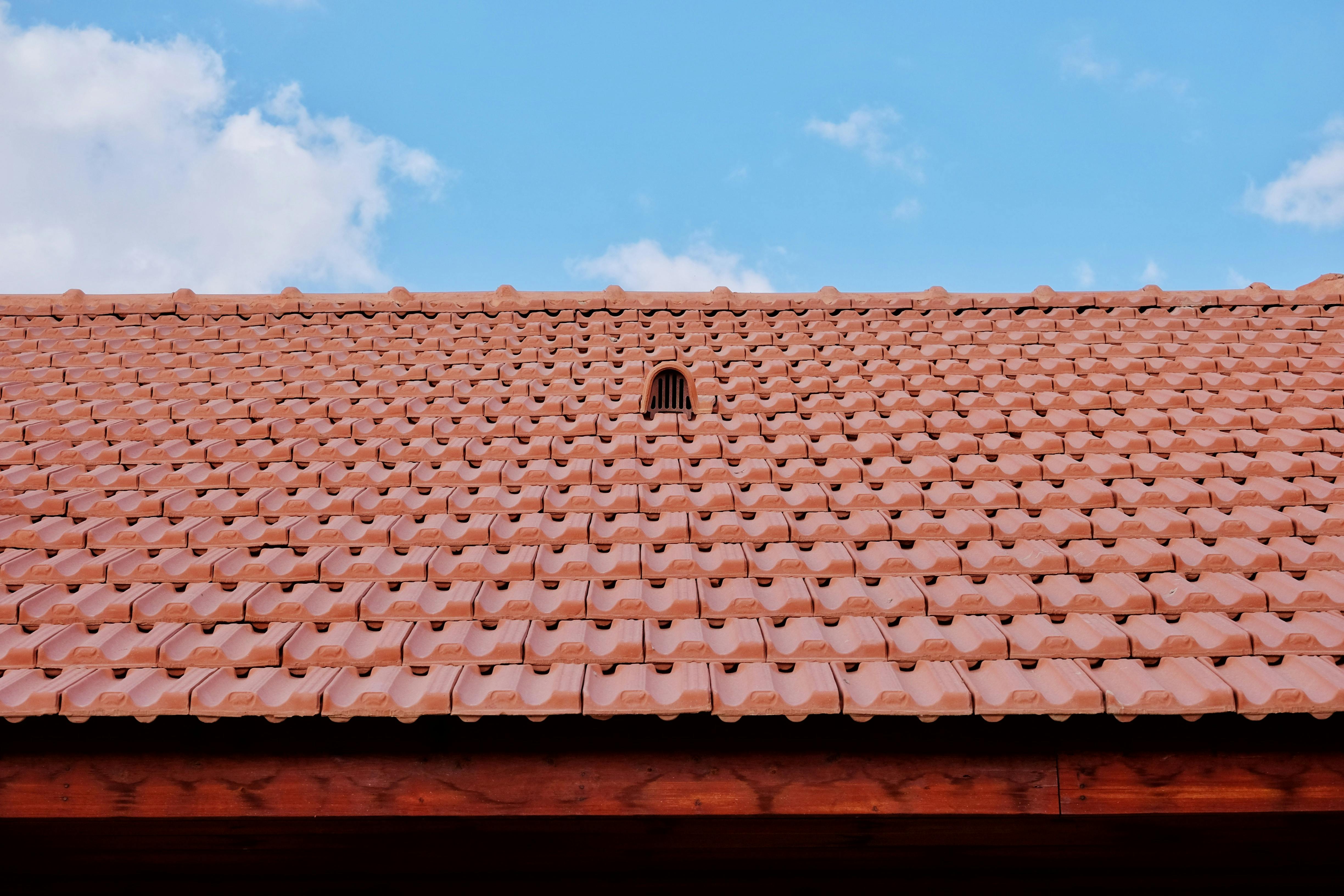
Why Roof Ventilation Matters
Roof ventilation often goes unnoticed until problems appear.
Proper airflow through the attic regulates temperature and moisture, both of which directly affect how long your roof lasts.
Without it, heat and moisture build up, quietly damaging shingles, insulation, and even the wood structure underneath.
How Roof Ventilation Actually Works
Ventilation systems rely on a simple principle: intake vents pull in cooler outside air, while exhaust vents near the roof's peak let hot, moist air escape.
This constant airflow keeps attic temperatures closer to outdoor conditions rather than trapping heat.
- Soffit vents, typically located under roof eaves, bring in fresh air
- Ridge vents, along the roof's peak, let hot air escape
- Gable vents provide additional airflow on some roof designs
- Powered attic fans can supplement natural airflow in certain situations
When intake and exhaust are balanced, the system works efficiently with minimal energy input.
Signs of Poor Roof Ventilation
Ventilation problems tend to show up gradually, often mistaken for other issues.
- Excessive heat in the attic during summer months
- Ice dams forming along roof edges in winter
- Visible moisture or condensation on attic surfaces
- Musty odors or mold growth in the attic
- Premature shingle aging or curling
- Noticeably higher cooling costs during hot months
If you're seeing several of these signs together, ventilation is worth investigating before other repairs.
Why Poor Ventilation Shortens Roof Lifespan
Excess heat trapped in an attic doesn't just make the space uncomfortable.
It accelerates the breakdown of asphalt shingles from underneath, often voiding manufacturer warranties that assume proper ventilation.
In cold climates, poor ventilation contributes directly to ice dams, since escaping heat melts snow that refreezes at the roof's edge.
Typical Costs to Fix Roof Ventilation Issues
Ventilation repair costs vary depending on what's actually needed.
Adding or upgrading soffit and ridge vents on an existing roof is generally a moderate cost, especially if done separately from a full roof replacement.
Installing ventilation during a full roof replacement typically adds a smaller incremental cost, since labor and materials overlap with the larger project.
Powered attic fans and more complex ventilation retrofits tend to cost more, depending on electrical work involved.
The Roof Ventilation Cost Calculator can help you estimate pricing based on your specific roof and ventilation needs.
Ventilation and Attic Insulation Work Together
Ventilation alone isn't enough if attic insulation is inadequate or improperly installed.
Insulation that blocks soffit vents can defeat the entire ventilation system, even if the vents themselves are functioning correctly.
A professional inspection often evaluates both insulation and ventilation together, since they directly affect each other's performance.
How Much Ventilation Does a Roof Actually Need?
Most building codes and manufacturer guidelines specify a minimum ratio of ventilation area to attic floor space.
This ratio varies based on whether a vapor barrier is present and regional building codes.
A licensed contractor can calculate whether your current ventilation meets that recommended ratio or falls short.
When to Call a Professional
Some ventilation issues are easy for homeowners to spot from the ground or during a basic attic check.
Diagnosing whether the system is properly balanced, or making changes to vents and airflow paths, is best handled by a professional.
A roof inspection can identify whether ventilation is contributing to issues you're already noticing, like high energy bills or premature shingle wear.
Final Thoughts
Roof ventilation is easy to overlook, but it plays a major role in how long your roof lasts and how much you spend on energy costs.
Recognizing the early signs of poor airflow, and addressing them before they cause bigger problems, is one of the most cost-effective steps a homeowner can take.
Frequently Asked Questions
How do I know if my attic has poor ventilation?
Does poor ventilation really shorten a roof's lifespan?
How much does it cost to add roof ventilation?
Can too much insulation block roof ventilation?
Is roof ventilation required by building code?
Disclaimer: This article is for informational purposes only and does not constitute professional roofing or engineering advice. Ventilation needs vary based on climate, attic design, and local building codes. Always consult a licensed roofing contractor for an assessment specific to your home.
---
Related resources
- Roof Replacement Cost CalculatorEstimate full roof replacement by state and material.
- Roof Repair Cost CalculatorPrice minor, moderate, and major repairs.
- Roof Financing CalculatorMonthly payments and total interest.
- Roof Claim EstimatorInsurance payout ranges by damage severity.
- State Roofing GuidesLocalized pricing and permitting.
- Research HubOriginal roofing reports and data.
Related articles
Roof Coating vs. Roof Replacement: Which Saves You More Money?
Roof coating can extend a roof's life at a fraction of replacement cost, but it isn't always the right choice. Here's how to decide.
Read article
Roof Maintenance Checklist: Seasonal Tasks Every Homeowner Should Follow
Regular roof maintenance can add years to your roof's lifespan. Here's a complete seasonal checklist every homeowner should follow.
Read articleExplore more roofing resources
Related Calculators
- Roof Maintenance Cost Calculator · Roof Cost Calculators
- Commercial Roof Maintenance Cost Calculator · Roof Cost Calculators
- Roof Fascia & Soffit Repair Cost Calculator · Roof Cost Calculators
- Roof Vent Calculator · Material Calculators
Related State Guides
- Arizona Roofing Costs · Tile Roofing · West
- California Roofing Costs · Tile Roofing · West
- Colorado Roofing Costs · Asphalt Shingles · West
- Florida Roofing Costs · Tile Roofing · South